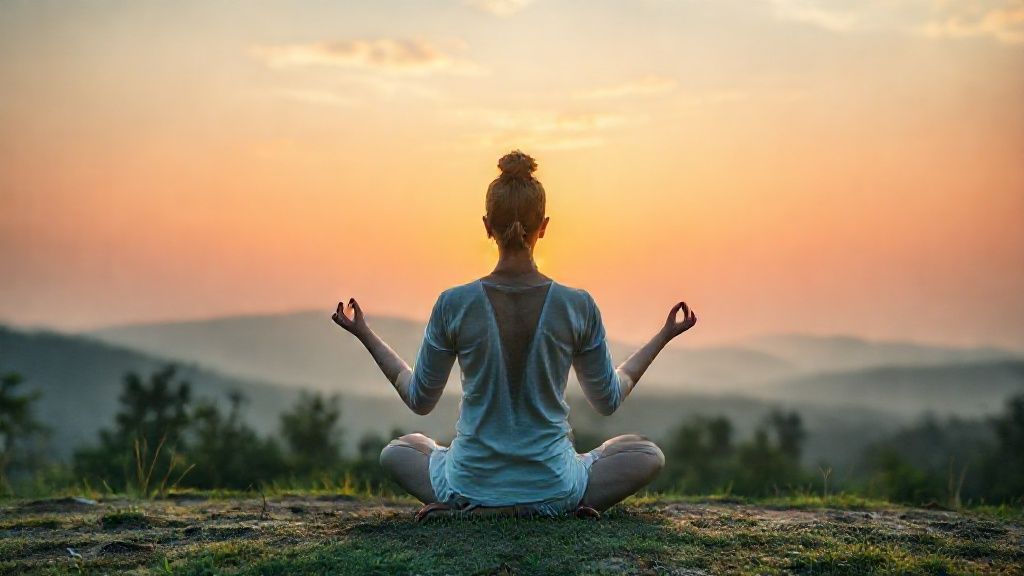
Finding Your Foundation: The Ultimate Guide to Buddhist Meditation Posture
Have you ever tried to meditate but found your mind racing, your back aching, or your legs falling asleep? You’re not alone. Many practitioners struggle with physical discomfort that distracts from their mental practice. The secret to a deeper, more comfortable meditation might not be in your mind, but in your posture.
A Buddhist meditation posture is a specific alignment of the body designed to promote alertness, stability, and mental clarity. The most recognized postures include the full lotus, half-lotus, Burmese, and Seiza, all of which prioritize a straight, relaxed spine to facilitate the free flow of energy and awareness.

Why Posture Is the Cornerstone of Buddhist Meditation
In Buddhist tradition, the body and mind are not separate entities but interconnected aspects of our experience. The physical container we create through posture directly influences the quality of our mental state. Think of your posture as the foundation of a house—without a stable base, the entire structure becomes shaky and unstable.
The Link Between Spine and Mind
Your spinal alignment serves as the central channel connecting physical stability to mental clarity. When you sit with a slumped back, your breathing becomes constricted and your mind tends toward drowsiness or distraction. An upright spine supports an alert, attentive mind by allowing your diaphragm to move freely and your nervous system to remain balanced between relaxation and vigilance.
Stability for Inner Exploration
Physical stability creates a container for emotional and mental stability. When your body feels grounded and secure, your mind can more easily settle into the present moment. This external steadiness provides the confidence to explore internal landscapes—thoughts, emotions, and sensations—without being swept away by them.
Facilitating the Flow of Energy (Prana)
In many Eastern traditions, the body contains subtle energy channels through which life force (known as prana or chi) flows. A proper meditation posture helps keep these channels open and aligned, allowing energy to circulate freely rather than becoming blocked or stagnant. This energetic balance supports deeper states of concentration and insight.
The 7 Essential Points of Posture: A Traditional Framework
The Buddha himself provided guidance on meditation posture, and these seven points have been refined over centuries by meditation masters across Buddhist traditions. Together, they create an integrated system that supports both physical comfort and mental awakening.
1. The Foundation: Seat & Legs (The Asana)
Your sitting base determines everything that follows. The ideal position provides three points of contact with the ground, creating a stable triangular foundation. Here are the primary positions, from most to least traditional:
- Full Lotus (Padmasana): Each foot rests on the opposite thigh, soles facing upward. This creates an extremely stable base but requires significant hip flexibility.
- Half-Lotus (Ardha Padmasana): One foot rests on the opposite thigh, while the other foot rests beneath the opposite knee. This offers similar stability with less flexibility required.
- Burmese Position: Both legs are folded in front of you with feet resting on the floor. This is often the most accessible cross-legged position for Western practitioners.
- Seiza (Kneeling): Kneeling with a meditation bench or cushion between your legs. Excellent for those with hip issues.
- Using a Chair: Sitting forward on a chair with feet flat on the floor and spine unsupported. Perfect for those with physical limitations.
Remember: comfort and a stable base are more important than achieving a “perfect” pose.
2. The Pillar: A Straight, Relaxed Spine
This is arguably the most crucial element. Your spine should be upright but not rigid, maintaining its natural S-curves. Imagine your vertebrae stacking gently one upon another, with the crown of your head reaching toward the sky. To find this alignment, gently rock forward and backward until you find the point where your body naturally balances with minimal muscular effort.
If you’re struggling with physical tension, our guided meditation for releasing physical tension can help you develop greater body awareness.
3. The Gateway: Hand Position (Mudra)
The classic Cosmic Mudra involves resting your hands in your lap, right palm cradled in left palm, with thumbs lightly touching to form an oval. This position symbolizes the integration of wisdom (right hand) and method (left hand), with the thumb connection maintaining just enough tension to keep you alert. Your hands should rest comfortably against your lower abdomen, about two finger-widths below your navel.
4. The Window: Softly Gazing Eyes
In most Buddhist traditions, eyes remain partially open, gazing softly downward at a 45-degree angle about three to four feet in front of you. This prevents drowsiness and maintains connection with your environment while minimizing visual distraction. If keeping eyes open feels too stimulating, you can begin with closed eyes and gradually work toward this practice.
5. The Alignment: Chin Slightly Tucked
Gently tucking your chin aligns your cervical spine and supports alertness. Imagine you’re holding a peach between your chin and your throat—enough space to breathe, but not so much that your head juts forward. This subtle adjustment prevents neck strain and supports the natural curvature of your spine.
6. The Anchor: Relaxed Shoulders
Many of us carry tension in our shoulders. Roll your shoulders up toward your ears, then back and down, settling into a natural, relaxed position. Your shoulder blades should gently draw toward each other, opening your chest slightly. This position allows for full, unrestricted breathing.
7. The Lock: Tongue on the Roof of the Mouth
Place the tip of your tongue lightly against the roof of your mouth, just behind your front teeth. This subtle energetic seal helps prevent excessive salivation and connects the central energy channels in your body. In some traditions, this is believed to prevent the dissipation of subtle energies during meditation.

Choosing Your Perfect Posture: A Practical Guide
With so many options, how do you choose what’s right for your body? Let’s explore which positions work best for different needs and body types.
For the Flexible Practitioner: Lotus & Half-Lotus
If you have open hips and flexible joints, the lotus positions offer exceptional stability. The locked leg position creates an immovable base that can support long meditation sessions. However, never force these positions—the goal is comfort, not achievement. If you feel any sharp pain in your knees or hips, immediately switch to a gentler position.
For Most Meditators: The Burmese Position
The Burmese position offers the stability of cross-legged sitting without requiring extreme flexibility. Both knees can comfortably reach the ground, creating a solid triangular base. This is often the ideal starting point for those new to floor sitting and remains the preferred position for many experienced practitioners.
For Those with Knee or Hip Issues: Seiza (Kneeling)
The Seiza position removes pressure from the hips and knees by directing your weight downward through your shins. Using a meditation bench elevates your seat, preventing compression in your ankles and feet. This position naturally encourages an upright spine and is excellent for those with physical limitations.
To complement your posture practice, try our 5-minute body scan meditation to develop greater awareness of physical sensations.
Accessible to All: Meditation on a Chair
Chair meditation is a completely valid approach that anyone can practice. Choose a straight-backed chair and sit forward so your spine supports itself. Keep your feet flat on the floor, hip-width apart, with knees directly above ankles. You may place a cushion behind your lower back for support, but avoid leaning heavily against the chair back.
Common Posture Mistakes and How to Fix Them
Even with the best intentions, it’s easy to develop habits that undermine your meditation practice. Here are the most common posture mistakes and how to correct them.
Slouching vs. a Relaxed Spine
The Problem: Collapsing forward, rounding the shoulders, and tucking the pelvis under. This compresses the diaphragm and encourages mental dullness.
The Fix: Imagine a string attached to the crown of your head, gently pulling upward. Rock your pelvis slightly forward until you find the natural balance point where your spine supports itself with minimal effort.
Forcing the Lotus (and Risking Injury)
The Problem: Pushing through pain to achieve what looks like a “proper” meditation posture, potentially causing knee or hip damage.
The Fix: Honor your body’s limitations. Choose a position that allows you to sit comfortably for your intended meditation period. Remember that stability and comfort always trump appearance.
Tensing the Jaw and Shoulders
The Problem: Unconsciously clenching jaw muscles or hiking shoulders toward ears, creating unnecessary tension that distracts from meditation.
The Fix: Periodically scan your body for tension during meditation. Consciously release your jaw, allowing a small space between your upper and lower teeth. Let your shoulders drop away from your ears.
If physical tension stems from mental anxiety, our řízenou meditaci na úzkost can help address both simultaneously.
Supporting Your Practice: Props and Preparation
The right supports can transform your meditation experience from a struggle to a pleasure. Here are the essential props that can help you maintain proper alignment.
Meditation Cushions (Zafu): These firm, round cushions elevate your hips above your knees, allowing your pelvis to tilt forward naturally. This helps maintain the natural curve of your spine without muscular effort.
Meditation Benches: For kneeling positions, a meditation bench provides excellent support while encouraging proper spinal alignment. The angled seat tilts your pelvis forward automatically.
Blankets and Mats: A yoga mat or carpet under your ankles and knees provides cushioning, while folded blankets can adjust height or provide additional support.
For personalized guidance on posture and technique, consider visiting one of our recommended meditation centers near you.

Beyond the Cushion: Integrating Postural Awareness
The benefits of proper meditation posture extend far beyond your formal practice. The awareness you cultivate on the cushion can transform how you carry yourself throughout the day.
Notice your posture while working at your computer, standing in line, or walking down the street. The same principles apply: an upright but relaxed spine, shoulders released away from ears, chin slightly tucked. This ongoing postural mindfulness turns your entire day into an opportunity for practice.
To learn more about bringing mindfulness into all aspects of your life, explore our guide to co je řízená meditace and how it can support your practice.
Často kladené otázky (FAQ)
Q: What is the most important part of a Buddhist meditation posture?
Odpověď: A straight yet relaxed spine is paramount, as it balances alertness and relaxation, allowing for deeper concentration. All other elements support this central alignment.
Q: I can’t sit cross-legged. Is it okay to meditate in a chair?
Odpověď: Absolutely. The essence of the posture is the alignment of the spine, not the position of the legs. Using a chair is a completely valid and effective way to practice. Many renowned meditation teachers regularly teach chair meditation.
Q: How long should I try to hold a meditation posture?
Odpověď: Start small. It’s better to hold a correct posture for 5 minutes than a painful one for 20. As your body adapts, gradually extend your sitting time. You can begin with a short 5-minute guided meditation to build your postural endurance comfortably.
Q: Does posture really affect the quality of my meditation?
Odpověď: Yes, significantly. A stable, comfortable posture reduces physical distractions, allowing you to focus your awareness inward, leading to a calmer and more focused mind. The physical container directly influences your mental and emotional experience. To experience this connection directly, try a meditation for peace that incorporates these postural principles.
Závěr a výzva k akci
Your meditation posture is far more than just how you sit—it’s the foundation upon which your entire practice is built. The seven points of posture create an integrated system that supports alertness, stability, and mental clarity. Remember that finding a sustainable and comfortable position is a personal journey, not about achieving some idealized form.
Your posture is the foundation of your practice. Don’t just read about it—experience it. We encourage you to set up your seat today. For a structured practice that incorporates these postural principles, start your guided meditation journey here with our specially designed sessions for beginners.