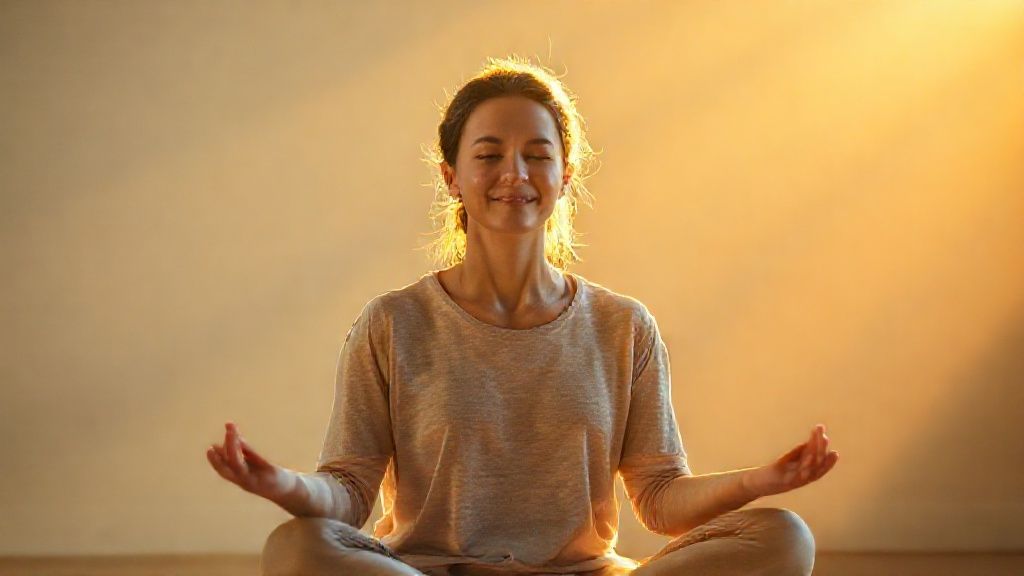
Finding Your Calm: The Ultimate Guide to the Best Meditation for Anxiety
That familiar tightness in your chest. The racing thoughts that won’t quiet down. The feeling of being constantly on edge, as if something bad is about to happen. If you’re living with anxiety, you know this state all too well. It’s more than just worry—it’s a physical and mental grip that can make everyday life feel overwhelming.
The best meditation for anxiety is one that is practiced consistently and focuses on grounding the mind in the present moment, such as Mindfulness Meditation, Body Scan, or Guided Meditation for anxiety. This guide will help you find the right technique for your specific needs.
We’ll explore the science behind why meditation works, break down the most effective techniques, provide practical scripts and guides, and show you how to build a sustainable practice that can transform your relationship with anxiety.

Why Meditation Is a Powerful Antidote to Anxiety
When anxiety strikes, your body’s alarm system—the sympathetic nervous system—kicks into high gear. This “fight-or-flight” response floods your system with stress hormones like cortisol and adrenaline. Your heart rate increases, muscles tense, and breathing becomes shallow. It’s your body’s ancient survival mechanism, but when triggered too often or for too long, it becomes debilitating.
Meditation works by activating the opposite system: the parasympathetic nervous system, often called the “rest-and-digest” response. Through consistent practice, meditation can:
- Lower cortisol levels by up to 30% according to some studies
- Calm the amygdala, the brain’s fear center that becomes overactive in anxiety
- Strengthen the prefrontal cortex, responsible for emotional regulation and rational thinking
- Improve heart rate variability, a key indicator of stress resilience
Think of meditation not as eliminating anxiety entirely, but as changing your relationship with it. Instead of being swept away by anxious thoughts and physical sensations, you learn to observe them with curiosity rather than fear.
Top 5 Meditation Techniques to Soothe an Anxious Mind
Not all meditation practices are created equal when it comes to anxiety relief. These five techniques have proven particularly effective for calming the nervous system and creating mental space.
1. Mindfulness Meditation (Present-Moment Awareness)
Mindfulness meditation is the foundation of most modern anxiety-reduction programs, including Mindfulness-Based Stress Reduction (MBSR). The practice involves intentionally paying attention to the present moment without judgment.
How to practice: Sit comfortably and bring your attention to your breath. When thoughts, emotions, or physical sensations arise (as they will), simply notice them without getting caught up in them. Gently return your focus to your breath each time you notice your mind has wandered.
Why it works for anxiety: Anxiety often involves worrying about the future or ruminating about the past. Mindfulness anchors you in the present, where anxiety cannot exist in the same way. It also teaches you to relate to anxious thoughts as passing mental events rather than absolute truths.
For a simple, structured way to start, try our 10-minute mindfulness meditation.
2. Guided Meditation for Anxiety
Guided meditation uses a narrator’s voice to lead you through a relaxing process, making it ideal for beginners who find silent meditation challenging.
How to practice: Listen to a pre-recorded session where a guide leads you through visualization, breathing exercises, or body relaxation techniques specifically designed to reduce anxiety.
Why it works for anxiety: The external guidance provides structure that can prevent the mind from spiraling into anxious thoughts. The soothing voice and carefully crafted imagery can directly counter anxiety’s chaotic energy.
We offer a variety of guided sessions. Start with our popular guided meditation for anxiety or a shorter 5-minute meditation for anxiety.
3. Body Scan Meditation
Anxiety doesn’t just live in the mind—it manifests physically as muscle tension, stomach discomfort, and shallow breathing. The body scan meditation systematically addresses these physical symptoms.
How to practice: Lie down or sit comfortably and slowly bring your attention to different parts of your body, typically starting from the toes and moving upward. Notice sensations without trying to change them, simply bringing awareness to each area.
Why it works for anxiety: By directing attention to physical sensations rather than anxious thoughts, you interrupt the anxiety feedback loop. The practice also helps release the muscular tension that both results from and contributes to anxiety.
To experience a body scan, follow along with our 5-minute body scan meditation script (PDF).

4. Breathing Meditation (Pranayama)
Your breath is the most portable anxiety-relief tool you possess. Breathing meditation uses deliberate breath patterns to influence the nervous system directly.
How to practice: Focus your attention on the natural rhythm of your breath, or use specific breathing techniques like diaphragmatic breathing, 4-7-8 breathing, or alternate nostril breathing.
Why it works for anxiety: Slow, deep breathing stimulates the vagus nerve, which triggers the parasympathetic nervous system. This creates an almost immediate physiological shift away from the fight-or-flight response.
For an immediate calming effect, practice this 1-minute breathing exercise. For a longer session, use our 10-minute breathing meditation script.
5. Loving-Kindness Meditation (Metta)
While it might seem counterintuitive, cultivating feelings of kindness and compassion can be remarkably effective for anxiety, which often involves self-criticism and isolation.
How to practice: Silently repeat phrases of goodwill and kindness, first toward yourself, then toward loved ones, acquaintances, and eventually all beings. Common phrases include “May I be happy, may I be healthy, may I be safe, may I live with ease.”
Why it works for anxiety: Anxiety often involves harsh self-judgment about being anxious. Loving-kindness meditation counters this with self-compassion, reducing the secondary suffering that comes from fighting your anxiety. It also fosters connection, countering the isolation that anxiety can create.
To guide your practice, follow our loving-kindness (Metta) meditation script.
Building Your Anti-Anxiety Meditation Routine
Knowing which techniques work is only half the battle—the real magic happens when you build a consistent practice.
Finding Time: Short Sessions vs. Long Sessions
The most common meditation mistake is aiming for perfection rather than consistency. Many beginners assume they need to meditate for 30-60 minutes daily to see benefits, but this isn’t true.
The consistency principle: Research shows that practicing for just 5-10 minutes daily is more beneficial than practicing for 30 minutes once a week. Regular practice creates new neural pathways that become stronger over time.
Short sessions (1-10 minutes): Ideal for busy days, anxiety flare-ups, and building the habit. Brief practices can reset your nervous system and interrupt anxiety patterns.
Longer sessions (15-30 minutes): Allow for deeper relaxation and more significant changes in brain structure over time.
Even one minute can reset your day. Try our 2-minute grounding meditation script. When you have more time, delve deeper with a 20-minute guided meditation for anxiety.
The Best Time of Day to Meditate for Anxiety
While any meditation is better than none, timing your practice strategically can enhance its anxiety-reducing benefits.
Morning meditation: Sets a calm, centered tone for the day ahead. By starting your day with meditation, you build resilience before stressors arise.
Evening meditation: Helps process the day’s events and calm the nervous system before sleep, which is particularly important since anxiety often disrupts rest.
Anxiety flare-ups: Don’t wait for your “scheduled” meditation time if you feel anxiety building. Use brief practices throughout the day as needed.
A morning practice can center you for the day ahead. Try our 5-minute morning guided meditation. For evening anxiety that disrupts sleep, use our guided meditation for sleep and anxiety.

Tools and Resources to Support Your Practice
Having the right resources can make your meditation journey smoother and more effective.
The Best Meditation Apps for Anxiety
While this guide provides everything you need to start, apps can offer structure, variety, and tracking features that some people find helpful.
Key features to look for: Anxiety-specific programs, varied teacher voices, different session lengths, and progress tracking.
Explore our reviews of the best meditation apps like Headspace and the best free apps for stress and anxiety.
Using Meditation Scripts and Music
Sometimes, having a written guide or background music can enhance your practice, especially when starting out.
Meditation scripts: Provide structure and guidance for self-led sessions, which can be helpful when you want to meditate without audio guidance but need some direction.
Meditation music: Creates a soothing sound environment that can mask distracting noises and cue your brain to enter a relaxed state.
Access our library of free guided meditation scripts for anxiety. For ambient sound, use our 10-minute meditation music track.
Frequently Asked Questions About Meditation for Anxiety
How Long Does It Take for Meditation to Help With Anxiety?
Some benefits of meditation for anxiety can be felt immediately—the calming effect of a single breathing exercise or body scan session. However, long-term changes in brain structure and significant reductions in baseline anxiety typically take 8+ weeks of consistent daily practice. Think of it like exercise: one workout provides temporary benefits, while regular training creates lasting fitness.
Can Meditation Make Anxiety Worse?
For a small percentage of people, particularly those with trauma or severe anxiety, focusing inward can initially increase awareness of anxious thoughts and bodily sensations. If this happens, it’s usually temporary and can be managed by:
- Switching to guided meditations for more structure
- Focusing on external anchors like sounds instead of internal sensations
- Practicing for shorter durations
- Trying movement-based practices like walking meditation first
If this happens, a calming guided meditation can provide more structure.
What’s the Difference Between Meditation for Anxiety and for Sleep?
While there’s overlap, the intentions differ:
- Anxiety meditation focuses on processing thoughts, building awareness, and grounding in the present moment
- Sleep meditation aims to quiet the mind completely and encourage the body into rest mode
Some practices serve both purposes, especially those that heavily emphasize body relaxation and breath awareness.
For a practice that blends both, try our meditation for anxiety-induced insomnia.
Is Guided or Unguided Meditation Better for Beginners With Anxiety?
Guided meditation is typically better for beginners with anxiety because:
- The external voice provides an anchor that prevents the mind from spiraling
- Instructions reduce the pressure to “get it right”
- Soothing narration can directly calm the nervous system
- Structured visualizations give the mind positive focus points
As you become more comfortable with meditation, you might gradually incorporate periods of silence or transition to unguided practice.
Your Journey to a Calmer Mind Starts Now
The search for the best meditation for anxiety ultimately leads back to you—your preferences, your schedule, your unique experience of anxiety. What matters most isn’t finding the single “perfect” technique, but rather discovering what works for you and practicing it consistently.
Remember that some days will feel easier than others. There will be sessions where your mind feels calm and focused, and others where it races uncontrollably. This is normal and part of the process. The practice isn’t about achieving perfect stillness, but about learning to relate differently to whatever arises—including anxiety itself.
Ready to take the next step? Choose one technique from this guide—perhaps the 10-minute guided meditation for anxiety—and commit to trying it today. For ongoing support, explore our free meditation course to build a lasting habit.
Your calm is waiting—one breath at a time.