
Mindful Meditation vs Transcendental: A Clear-Cut Guide to Choosing Your Path
If you’re comparing Transcendental Meditation (TM) and mindfulness meditation, you’re likely seeking a practice that fits your lifestyle and goals. The core difference is this: Mindfulness involves actively observing your present-moment thoughts and feelings without judgment, while TM uses a silent mantra to effortlessly transcend thought, promoting deep rest. Both practices offer profound benefits for mental wellbeing, but they approach meditation from fundamentally different angles. This comprehensive guide will break down exactly what sets them apart, their unique benefits, and how to determine which path aligns with your personality and objectives.

Understanding the Foundations: Two Philosophies, Two Approaches
Before diving into the comparison, it’s essential to understand the philosophical underpinnings of each practice. While both aim to cultivate mental peace and awareness, their approaches stem from different traditions and operate on distinct principles.
What Is Mindfulness Meditation?
Mindfulness meditation is the practice of purposefully paying attention to the present moment without judgment. It’s about cultivating awareness of what’s happening right here, right now—whether that’s your breath, bodily sensations, thoughts, or the environment around you.
Originating from Buddhist traditions dating back over 2,500 years, mindfulness has been widely secularized in contemporary practice. You don’t need to adopt any spiritual beliefs to benefit from mindfulness—it’s fundamentally a mental training technique.
The core principle of mindfulness is learning to observe your experience without getting caught up in it. When a thought arises, you acknowledge it without following it down a rabbit hole. When an emotion surfaces, you notice it without needing to suppress or express it. This creates a space between stimulus and response, giving you more choice in how you engage with your experience.
One of the most accessible mindfulness techniques is the تأمل مسح الجسم, which you can explore through this 5 minute body scan script pdf.
What Is Transcendental Meditation (TM)?
Transcendental Meditation is a specific technique that involves silently repeating a personalized mantra to settle the mind into a state of restful alertness. Unlike mindfulness, TM doesn’t involve monitoring thoughts, controlling the mind, or concentrating. The practice is designed to be effortless—you simply think the mantra and allow your mind to naturally transcend toward quieter states of consciousness.
Developed by Maharishi Mahesh Yogi in the 1950s and derived from the ancient Vedic tradition of India, TM is taught through a standardized course by certified instructors. The technique gained popularity in the 1960s when The Beatles and other celebrities began practicing it.
The fundamental principle of TM is that by using a specific mantra assigned personally to you by a trained teacher, your mind can naturally settle inward, beyond the surface level of thinking, to experience what practitioners call “transcendental consciousness”—a state of pure awareness without content.
While TM traditionally involves a financial investment for proper instruction, you can learn about free TM resources to explore this practice further.
Head-to-Head Comparison: Key Differences Explained
Now that we understand the basic principles of each practice, let’s examine how they differ across several key dimensions. This comparison will help you identify which approach might better suit your temperament and goals.
Techniques & Mental Focus
The technical differences between these practices represent their most significant distinction:
Mindfulness Meditation typically involves:
– Anchoring attention on a specific object of focus (commonly the breath)
– Noticing when the mind has wandered
– Gently returning attention to the anchor without judgment
– Expanding awareness to include thoughts, emotions, and bodily sensations
– Developing a stance of curious observation toward all experience
Transcendental Meditation employs a different approach:
– Using a personalized mantra (a specific sound or vibration) provided by a teacher
– Allowing the mantra to repeat naturally in the mind without concentration or effort
– Settling inward as the mantra becomes increasingly subtle
– Eventually transcending the mantra itself to experience pure consciousness
– The practice is described as effortless and automatic
Goals & Primary Benefits
While both practices reduce stress and enhance wellbeing, they emphasize different outcomes:
Mindfulness Meditation aims to:
– Cultivate present-moment awareness in daily life
– Develop emotional regulation and resilience
– Reduce reactivity to challenging thoughts and feelings
– Enhance focus and concentration
– Foster acceptance and equanimity
Research has particularly supported mindfulness for managing anxiety, as it provides tools to work with anxious thoughts as they arise. If this is your primary concern, you might explore these التأمل الموجه للقلق .
Transcendental Meditation focuses on:
– Providing deep rest and dissolving accumulated stress
- تعزيز الإبداع وقدرات حل المشكلات
- تعزيز التطور الشامل للدماغ
- زيادة الطاقة والنشاط
- الوصول إلى حالات أعمق من الوعي
أظهرت الدراسات على التأمل التجاوزي انخفاضاً ملحوظاً في الكورتيزول (هرمون التوتر)، وانخفاض ضغط الدم، وتحسين الصحة النفسية.
التعلم وإمكانية الوصول
تختلف طريقة تعلم كل ممارسة بشكل كبير:
Mindfulness Meditation يوفر نقاط دخول متعددة:
- التعلم الذاتي عبر الكتب والتطبيقات والموارد عبر الإنترنت
- يمكن ممارسته جماعياً أو فردياً
- توفّر تقاليد ومناهج متنوعة
- قابلية عالية للتكيف مع الجداول الزمنية وأنماط الحياة المختلفة
- توفر العديد من الموارد المجانية أو منخفضة التكلفة
إذا كنت جديداً على الممارسة، ابدأ بـ فهم التأمل الموجه كنقطة دخول سهلة الوصول.
Transcendental Meditation يتبع مساراً أكثر تنظيماً:
- يُتعلم تقليدياً عبر دورة موحدة من 7 خطوات
- يتطلب تعليمات من معلم تأمل تجاوزي معتمد
- يشمل تخصيص مانترا شخصية
- يتضمن جلسات متابعة ودعماً مستمراً
- يتضمن عادة رسوم لمرة واحدة تمنح وصولاً مدى الحياة للموارد
الوقت والممارسة اليومية
يختلف الالتزام المطلوب لكل ممارسة:
Mindfulness Meditation يتميز بمرونة ملحوظة:
- يمكن ممارسته لأي مدة - من دقيقة واحدة إلى ساعات
- يمكن استكمال الممارسة الرسمية الجالسة بممارسات غير رسمية طوال اليوم
- يمكن دمجه في الأنشطة اليومية مثل المشي أو الأكل أو التنقل
- لا توجد قواعد صارمة بشأن التوقيت أو التكرار
لمن يملكون وقتاً محدوداً، يمكن أن تكون ممارسة التأمل لمدة 5 دقائق طريقة ممتازة لإنشاء ممارسة منتظمة.
Transcendental Meditation يتبع بروتوكولاً محدداً:
- يُمارس لمدة 20 دقيقة، مرتين يومياً
- يُمارس عادةً صباحاً قبل الفطور وفي وقت متأخر بعد الظهر
- يتطلب الجلوس مريحاً مع إغلاق العينين
- يُعتبر التوقيت الموحد مهماً للحصول على النتائج المثلى
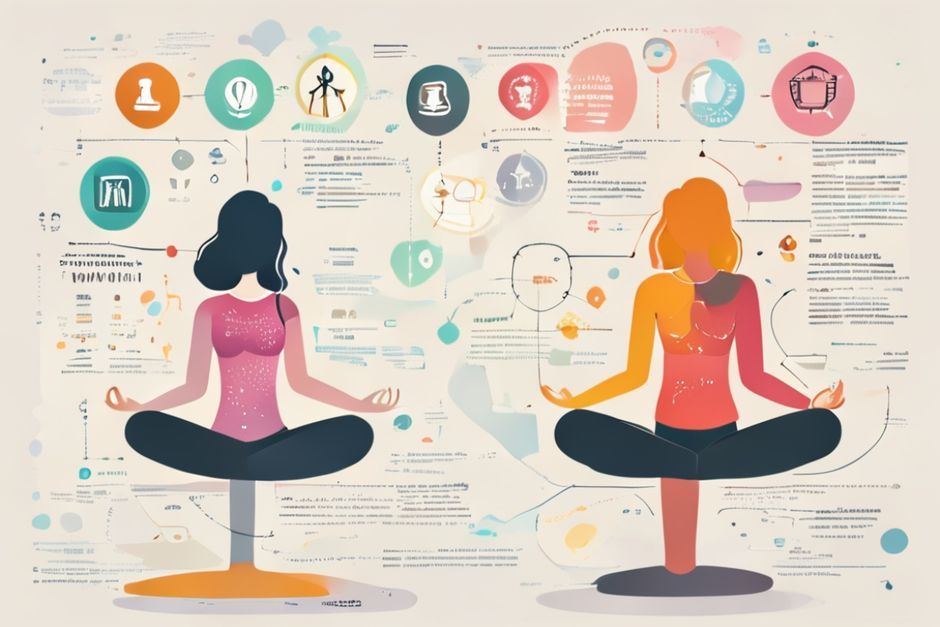
أي ممارسة تأمل تناسبك؟
بعد أن قارنا هذه الممارسات بالتفصيل، كيف تحدد أيها يتوافق مع شخصيتك وأهدافك ونمط حياتك؟ ضع في اعتبارك الإرشادات التالية:
اختر تأمل اليقظة الذهنية إذا كنت...
- ترغب في فهم أنماط تفكيرك وإدارتها: توفر اليقظة الذهنية أدوات ممتازة للتعامل مع الأفكار والعواطف الصعبة.
- تبحث عن أدوات للتعامل مع التوتر والقلق في الوقت الفعلي: يمكن تطبيق المهارات المطورة في ممارسة اليقظة الذهنية طوال يومك كلما ظهرت مواقف صعبة.
- تفضل ممارسة مرنة وموجهة ذاتياً: يمكن تكييف اليقظة الذهنية لتناسب أي جدول زمني ولا تتطلب تعليمات رسمية أو استثماراً مالياً.
- تقدر فهم “الكيفية” و“السبب” وراء ممارستك: تشجع اليقظة الذهنية على البحث والفضول حول عملياتك الذهنية.
- ترغب في تعزيز حضورك في الأنشطة اليومية: يمكن تطبيق اليقظة الذهنية على الأكل والمحادثة والعمل وأي نشاط آخر تقريباً.
عندما ينشأ التوتر بشكل غير متوقع، يمكن أن تكون أداة سريعة لا تقدر بثمن - فكّر في تعلّم تمرين التنفس لمدة دقيقة للهدوء الفوري.
اختر التأمل التجاوزي إذا كنت...
- تبحث عن استرخاء عميق وجهازي وإطلاق التوتر: التأمل التجاوزي فعال بشكل خاص للوصول إلى حالات الراحة العميقة.
- تفضل تقنية منظمة وموحدة دون تركيز نشط: تجذب الطبيعة غير المجهدة للتأمل التجاوزي أولئك الذين لا يريدون “العمل” في التأمل.
- تشعر بالراحة مع عملية تعليمية رسمية موجهة: يتطلب التأمل التجاوزي تعليمات أولية من معلم معتمد.
- تقدر التقاليد ومنهجية محددة: ظل التأمل التجاوزي بمعظمه دون تغيير في تعليمه لعقود.
- تريد ممارسة لا تتطلب مراقبة الأفكار: يسمح لك التأمل التجاوزي بتجاوز التفكير بدلاً من مراقبته.
البدء بممارستك
Whichever path you choose, the most important step is to begin. Here are practical ways to start exploring each practice:
Your First Steps Into Mindfulness
- ابدأ صغيرًا: Begin with just 5-10 minutes daily rather than attempting longer sessions that might be difficult to maintain.
- Use guided meditations: Apps and online resources can provide helpful structure and instruction, especially when beginning.
- Establish a consistent time: Linking your practice to an existing habit (like after brushing your teeth) can help with consistency.
- Be patient and kind to yourself: It’s normal for the mind to wander—the practice is in gently returning, not in maintaining perfect focus.
A perfect starting point is this تأمل وعي مدتها 10 دقائق session designed specifically for beginners.
Exploring Transcendental Meditation Further
- Research official TM organizations: The Transcendental Meditation program has a structured teaching method with certified instructors worldwide.
- Attend a free introductory lecture: These sessions provide an overview of the technique and research behind it.
- Consider the investment: While TM involves financial commitment, many practitioners find the structured learning and ongoing support valuable.
- Connect with current practitioners: Speaking with people who practice TM can give you insight into the experience.
To find instruction near you, you can search for meditation teachers near me who specialize in Transcendental Meditation.

الأسئلة الشائعة (FAQ)
Q: Can I practice both TM and mindfulness?
A: Yes, many people do. They are complementary rather than contradictory. TM provides deep rest and stress release, while mindfulness cultivates daily awareness and presence. Some people practice TM twice daily and bring mindfulness to their activities throughout the day.
Q: Which is better for anxiety: mindfulness or TM?
A: Both are highly effective for anxiety, and research supports both approaches. Mindfulness gives you tools to manage anxious thoughts as they arise, developing a different relationship with worry. TM helps reduce the underlying physiological stress that contributes to anxiety. The “better” option depends on whether you prefer working directly with anxious thoughts (mindfulness) or accessing a state that naturally reduces anxiety (TM). For more options, you can explore these ممارسات التأمل المحددة للقلق.
Q: Is TM really worth the cost?
A: This is subjective and depends on your resources and commitment. The cost covers personalized instruction from a certified teacher, follow-up sessions, and lifetime support. For many, the financial investment increases their commitment to the practice. Mindfulness has a much lower barrier to entry with many free resources available, though some people find the structure of TM helpful for consistency.
Q: How do I know if I’m meditating correctly?
A: In mindfulness, there’s no “wrong” way as long as you gently return your focus when you notice it has wandered. The attitude of kindness and curiosity is more important than perfect focus. In TM, correct practice is ensured through proper instruction from a qualified teacher. Generally, signs of effective practice in either method include increased calm, better stress management, improved sleep, and greater presence in daily life. For guidance on establishing consistency, these tips for establishing a consistent practice may be helpful.
الخاتمة
Both mindfulness and Transcendental Meditation offer powerful pathways to greater peace, clarity, and wellbeing. The core distinction remains: mindfulness cultivates active awareness of the present moment, while TM uses a mantra to facilitate effortless transcending of thought.
Your choice ultimately depends on your personality, goals, and learning preferences. If you value flexibility, understanding your mind, and having tools for daily stress, mindfulness may be your ideal path. If you prefer a structured, effortless technique focused on deep rest and stress release, TM might better suit you.
Remember that the “best” meditation practice is the one you’ll actually do consistently. Both traditions have helped millions of people worldwide find greater peace and fulfillment.
Ready to experience the benefits for yourself? Regardless of the path you choose, the most important step is to begin. Explore our library of أفضل جلسات التأمل الموجه sessions to start your journey today.
بداية البيانات الوصفية—
الفئة: اليقظة الذهنية للمبتدئين
DISPLAY_TITLE: Mindful Meditation vs Transcendental: Choosing Your Practice
SEO_TITLE: Mindful vs Transcendental Meditation: Key Differences | 2025 Guide
META_DESC: Confused between mindful meditation vs transcendental? Our 2025 guide breaks down techniques, benefits & costs to help you choose the right practice.
IMG_PROMPT: A split scene showing two meditation approaches: left side shows mindfulness with person aware of surroundings, right side shows transcendental meditation with person in deep inner focus
IMG_ALT: Comparative visualization of mindful meditation vs transcendental meditation techniques and approaches
IMG_TITLE: mindful meditation vs transcendental – Visual Comparison
IMG_CAPTION: Two paths to peace: understanding the difference between mindful awareness and transcendental depth
IMG_DESC: This comparative illustration shows the distinct approaches of mindfulness meditation (observing present experience) and transcendental meditation (using a mantra to transcend thought)
—نهاية البيانات الوصفية—