تنظيم التنفس: الدليل النهائي للتحكم في أنفاسك لتحقيق الهدوء الفوري - لايف

That moment when your heart starts racing, your thoughts spiral, and you notice your breathing has become shallow and rapid—we’ve all been there. Whether it’s a tight deadline, a difficult conversation, or just the cumulative stress of modern life, our bodies often signal distress through our breath before our minds even catch up.
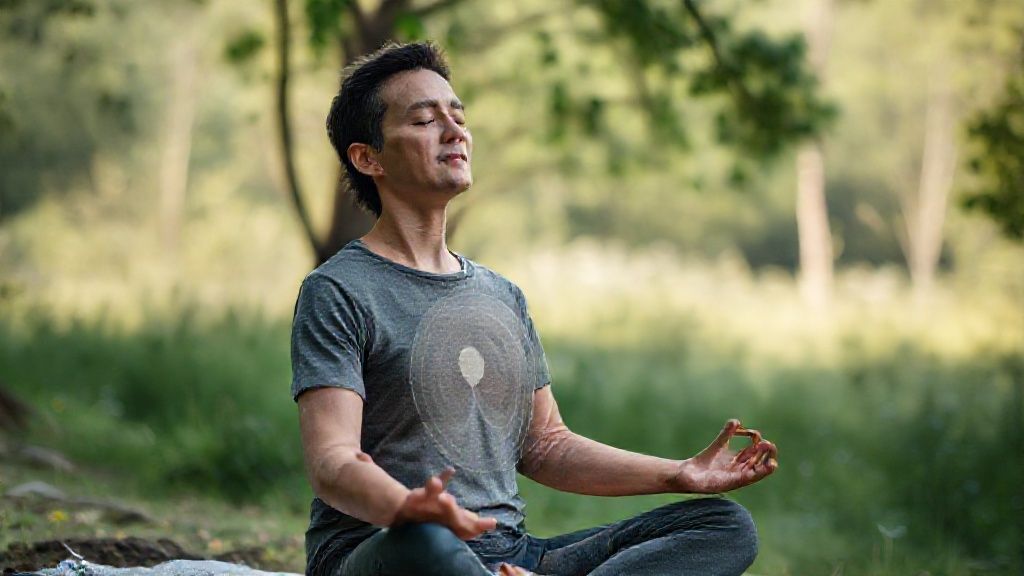
Breath regulation is the conscious practice of controlling the pace, depth, and pattern of your breathing to directly influence your nervous system. It is a foundational tool used in meditation, yoga, and modern psychology to reduce stress, improve focus, and enhance overall well-being.
This comprehensive guide will demystify the science behind why something as simple as breathing differently can transform your mental and physical state. More importantly, we’ll provide practical, accessible techniques you can implement anywhere—from a 1-minute exercise at your desk to a dedicated 20-minute meditation session.
Why Breath Regulation Works: The Science of Breathing
To understand why breath regulation is so powerful, we need to explore the autonomic nervous system—the part of your body that controls automatic functions like heartbeat, digestion, and yes, breathing.
Your autonomic nervous system has two main components: the sympathetic nervous system (your “fight or flight” response) and the parasympathetic nervous system (your “rest and digest” mode). When you’re stressed, anxious, or in danger, your sympathetic nervous system kicks in, releasing cortisol and adrenaline, increasing your heart rate, and preparing your body for action. This is why stress makes your breathing rapid and shallow—your body thinks it needs extra oxygen for fighting or fleeing.
The remarkable thing about breathing is that it’s unique among autonomic functions: it happens automatically, but we can also control it consciously. This gives us a rare opportunity—we can use controlled breathing as a manual override to signal our brain to switch from sympathetic to parasympathetic dominance.
When you practice slow, deep, regulated breathing, you’re essentially sending a message to your brain: “Everything is safe. We can relax now.” This triggers a cascade of physiological changes:
- Lowered heart rate and blood pressure
- Reduced cortisol levels (the primary stress hormone)
- Increased oxygen delivery to your brain and tissues
- Improved heart rate variability (a key marker of resilience)
- Activation of the vagus nerve, which plays a crucial role in calming your entire system
The benefits extend beyond momentary relaxation. Regular practice can rewire your nervous system to be more resilient to stress, improve your focus and cognitive function, and even enhance emotional regulation.
Foundational Breath Regulation Techniques to Start With
Diaphragmatic Breathing (Belly Breathing)
Diaphragmatic breathing, often called “belly breathing,” is the cornerstone of most breath regulation practices. It ensures you’re breathing deeply and efficiently, engaging your diaphragm—the dome-shaped muscle at the base of your lungs.
Step-by-Step Instructions:
- Find a comfortable position, either sitting upright with your back straight or lying on your back.
- Place one hand on your chest and the other on your belly.
- Inhale slowly through your nose for about 4 seconds, focusing on expanding your belly rather than your chest. The hand on your belly should rise, while the hand on your chest remains relatively still.
- Exhale slowly through your mouth or nose for about 6 seconds, feeling your belly fall.
- Continue this pattern for 5-10 cycles, maintaining your focus on the rise and fall of your belly.
For those dealing with anxiety, this technique is a core component of diaphragmatic breathing for anxiety.
The 4-7-8 Breathing Method for Sleep & Relaxation
Developed by Dr. Andrew Weil, the 4-7-8 technique is particularly effective for calming the nervous system and preparing for sleep. The extended exhalation is key to activating the parasympathetic response.
Step-by-Step Instructions:
- Sit with your back straight or lie down in bed.
- Place the tip of your tongue against the ridge of tissue behind your upper front teeth and keep it there throughout the exercise.
- Exhale completely through your mouth, making a whoosh sound.
- Close your mouth and inhale quietly through your nose for a count of 4.
- Hold your breath for a count of 7.
- Exhale completely through your mouth, making a whoosh sound, for a count of 8.
- This completes one cycle. Repeat for 3-4 cycles to start, gradually working up to 8 cycles.
This technique is perfect to incorporate into a nightly wind-down routine. Pair it with a dedicated تأمل نوم إرشادي for deeper rest.

Integrating Breath Regulation into Your Daily Life
The true power of breath regulation emerges when you move beyond occasional practice and integrate it into your daily routine. Here’s how to make breath work a natural part of your life.
For Instant Stress Relief (Under 5 Minutes)
When stress strikes unexpectedly, you don’t need a 30-minute meditation session to regain your equilibrium. Brief breath regulation practices can provide immediate relief.
The 1-Minute Reset: When you feel overwhelmed, pause and take just three deep, conscious breaths. Inhale for four counts, exhale for six counts. This simple practice can interrupt the stress response and give you a moment of clarity.
If you only have a moment, this تمرين التنفس لمدة دقيقة واحدة is perfect.
The 5-Minute Reset: Find a quiet space (even a bathroom stall will work), set a timer for five minutes, and practice diaphragmatic breathing or the 4-7-8 method. This gives your nervous system enough time to shift into a calmer state.
For a slightly longer reset, follow this تأملنا الموجه لمدة 5 دقائق.
For a Focused Morning Routine
How you start your day often sets the tone for everything that follows. Incorporating breath regulation into your morning routine can help you approach the day with intention and calm clarity.
Try this: Before checking your phone or email, take five minutes for conscious breathing. Sit by a window if possible, and practice diaphragmatic breathing while setting an intention for your day. This simple practice can prevent you from being immediately reactive and instead help you approach your day proactively.
Start your day with clarity using a specific تأمل موجه لمدة 5 دقائق في الصباح.
For Managing Anxiety and Overthinking
When anxious thoughts begin to spiral, breath regulation serves as an anchor to the present moment. The physical sensation of breathing provides something tangible to focus on when your mind feels out of control.
The Anxiety Interruption Technique: When you notice anxiety building, immediately shift your attention to your breath. Don’t try to change it at first—just observe it. Then gradually begin to lengthen your exhalations. The extended exhalation is particularly effective for calming the nervous system.
Position breath work as a first-response tool for anxious thoughts. When feeling overwhelmed, a structured session can be incredibly helpful. Try this تأمل إرشادي لمدة 20 دقيقة للقلق والإفراط في التفكير.
For Preparing for Sleep
Many people struggle with “monkey mind” at bedtime—when your thoughts won’t quiet down enough for sleep to come. Breath regulation is one of the most effective tools for transitioning from wakefulness to rest.
The Bedtime Breath Practice: بمجرد استلقائك في السرير، أطفئ جميع الشاشات والأضواء. ابدأ بـ 5-10 دورات من طريقة التنفس 4-7-8. إذا تشتت ذهنك، عُد بلطف إلى التركيز على العد وإحساس التنفس. لا يهدئ هذا التمرين جهازك العصبي فحسب، بل يمنح عقلك المشغول مهمة بسيطة ومتكررة ليركز عليها بدلاً من الاستغراق في التأمل السلبي.
اجمع بين تقنيات التنفس هذه ومسح الجسم لإطلاق التوتر الجسدي. تعلم كيفية القيام بذلك في هذا الرابط. تأمل مسح الجسم للنوم.

تعميق ممارستك بالتأمل الموجه
بينما يمكن ممارسة تنظيم التنفس بشكل مستقل، يمكن للتأملات الموجهة أن تعزز ممارستك بشكل كبير—خاصة عندما تبدأ أو تسعى لتعميق ممارسة موجودة بالفعل.
توفر التأملات الموجهة هيكلاً وتزيل العبء الذهني للتوجيه الذاتي، مما يسمح لك بالتركيز فقط على التنفس واللحظة الحالية. يمكن لمرشد ماهر أن يقدم تلميحات دقيقة تساعدك على ملاحظة جوانب من تجربتك قد تفوتك لولا ذلك.
جلسات قصيرة (5-10 دقائق)
الجلسات الموجهة القصيرة مثالية لتحقيق الانتظام، خاصة في الأيام المزدحمة. فهي طويلة بما يكفي لإحداث تحول ملحوظ في حالتك ولكنها قصيرة بما يكفي لتناسب حتى الجدول الأكثر امتلاءً.
جديد في الممارسة؟ تعتبر جلسة قصيرة تأمل موجه قصير طريقة ممتازة للبدء.
لإعادة ضبط سريعة للقلق، تعتبر هذه الجلسة تأمل مدته 10 دقائق للقلق فعالة للغاية.
جلسات أطول (15-20 دقيقة)
تسمح الجلسات الموجهة الأطول باستكشاف أعمق لتنظيم التنفس. فهي تمنح جهازك العصبي وقتاً كافياً للاستقرار في حالة استرخاء عميقة ويمكن أن تكون تحويلية بشكل خاص عند ممارستها بانتظام.
لبناء المرونة وتهدئة جهازك العصبي بعمق، فإن جلسة أطول مثل هذه تأمل اليقظة لمدة 20 دقيقة مثالية.
الأسئلة الشائعة حول تنظيم التنفس (مُحسّنة للبحث الصوتي)
ما هي أفضل تقنية تنفس للقلق؟
يعتبر التنفس الحجابي وطريقة 4-7-8 فعالين للغاية في مواجهة القلق. المفتاح هو الزفير البطيء والعميق الذي ينشط استجابة الاسترخاء في الجسم مباشرة. لجلسة موجهة تركز على هذا فقط، جرب هذه الجلسة. التأمل الموجه للقلق.
كيف يمكنني تنظيم تنفسي للنوم؟
ركز على التقنيات التي تطيل زفيرك، مثل طريقة 4-7-8، ومارسها أثناء الاستلقاء في السرير لخلق ارتباط قوي بالنوم. يمكن لتأمل نوم مخصص أن يرشدك خلال هذه العملية. نوصي بهذا تأمل نوم عميق موجه.
كم من الوقت يستغرق تنظيم التنفس ليعمل؟
يمكنك الشعور بتأثير مهدئ في غضون 60-90 ثانية فقط. الممارسة اليومية المنتظمة، حتى لمدة 5 دقائق فقط، تبني مرونة طويلة الأمد ضد التوتر. كلما مارست بانتظام أكثر، كلما استجاب جسمك لتقنيات تنظيم التنفس بشكل أسرع وأكثر فعالية.
هل يمكن أن يساعد تنظيم التنفس على التركيز؟
بالتأكيد. من خلال تهدئة الجهاز العصبي، يقلل تنظيم التنفس من الثرثرة الذهنية ويجهز الدماغ للانتباه المستدام، أشبه ما يكون بتمرين اليقظة الذهنية. حسّن تركيزك مع جلسات محددة. تمارين تركيز الانتباه هذه.

الخاتمة ونداء للعمل
يُعد تنظيم التنفس ربما الأداة الأكثر سهولة وقوة وفورية التي نملكها للتأثير على حالتنا العقلية والعاطفية. لا يتطلب أي معدات خاصة، ولا يكلف شيئاً، ويمكن ممارسته في أي مكان وفي أي وقت. أكثر من مجرد تقنية لإدارة التوتر، إنها وسيلة لاستعادة السيطرة على جهازك العصبي وزرع أساس من الهدوء يدعم كل جانب من جوانب حياتك.
تقدم التقنيات الموضحة في هذا الدليل—من الممارسات الأساسية مثل التنفس الحجابي إلى التطبيقات اليومية المتكاملة—مساراً لتحقيق مرونة وتركيز وسلام أكبر. لكن القراءة عن تنظيم التنفس هي الخطوة الأولى فقط؛ يحدث التحول الحقيقي عندما تجعله ممارسة منتظمة.
دعوتك للعمل بسيطة: اختر تقنية واحدة من هذا الدليل—ربما طريقة 4-7-8 للنوم أو التنفس الحجابي لتخفيف التوتر—والتزم بممارستها اليوم. لتجربة موجهة بالكامل لتعميق ممارستك، استكشف مكتبتنا من التأملات الموجهة لكل احتياج، من تخفيف التوتر إلى النوم.
مستعد لتجربة جلسة موجهة كاملة؟ ابدأ بإحدى أدلتنا الأكثر شيوعاً لعقل هادئ مع هذا تأمل موجه لعقل هادئ.