القلق والتنفس: كيفية كسر الدائرة وإيجاد الهدوء
That tightness in your chest. The feeling that you can’t get a full breath. If you’ve ever felt this during a panic attack or a moment of high stress, you’ve experienced the powerful, and often frightening, link between anxiety and breathing.
The connection is a two-way street: anxiety disrupts your breathing patterns, and dysfunctional breathing can, in turn, fuel anxiety. The good news is that by consciously changing how you breathe, you can directly calm your nervous system and reduce anxiety symptoms.
In this guide, we will explore the science behind this link and provide practical, actionable breathing techniques and meditations you can use to reclaim a sense of calm and control.

The Science Behind Anxiety and Your Breath
To understand why breathing is so crucial for managing anxiety, we need to look at the body’s built-in alarm system: the autonomic nervous system. This system has two main branches: the sympathetic nervous system (SNS), which triggers the “fight or flight” response, and the parasympathetic nervous system (PNS), which promotes “rest and digest.”
When anxiety strikes, your SNS kicks into high gear. Your body prepares for perceived danger by releasing stress hormones like adrenaline and cortisol. One of the most immediate physical manifestations of this is a change in your breathing. It becomes rapid and shallow, moving from the diaphragm to the upper chest. This is known as thoracic or chest breathing.
This shift serves a biological purpose—to take in more oxygen quickly for a potential physical struggle. However, when the threat isn’t physical (like a work deadline or social situation), this type of breathing becomes problematic. It can lead to hyperventilation, where you exhale too much carbon dioxide too quickly. This upsets the delicate oxygen-CO2 balance in your blood, leading to physical symptoms like:
- Dizziness or lightheadedness
- Tingling in the hands and feet
- A racing heart
- Chest tightness or pain
Crucially, these physical sensations are frightening. Your brain interprets them as further evidence of danger, which fuels more anxiety, creating a vicious cycle: Anxiety → Rapid, Shallow Breathing → Physical Symptoms → More Anxiety.
Breaking this cycle requires consciously activating the parasympathetic nervous system. The most direct way to do this? Through deliberate, slow, diaphragmatic breathing. This is why learning guided meditations specifically designed for stress relief is so powerful.
How to Spot Anxiety-Driven Breathing Patterns
Becoming aware of your breathing patterns is the first step toward changing them. Many people with anxiety breathe dysfunctionally without even realizing it. Here are some common signs of anxiety-driven breathing:
- Chest Breathing: Your shoulders and chest move noticeably up and down with each breath, rather than your belly expanding.
- Holding Your Breath: You frequently catch yourself holding your breath or taking very shallow, tentative breaths, especially when focused or stressed.
- Frequent Sighing or Yawning: This can be your body’s attempt to compensate for not getting enough air through regular, shallow breaths.
- Breathlessness at Rest: Feeling like you can’t catch your breath even when you’re sitting still or not exerting yourself.
- Rapid, Irregular Rhythm: Your breath lacks a slow, steady, rhythmic pattern.
3 Breathing Techniques to Calm Anxiety Instantly
The following techniques are evidence-based tools to short-circuit the anxiety cycle. They work by slowing the breath, increasing carbon dioxide levels back to normal, and signaling the brain that it’s safe to relax.
1. Diaphragmatic Breathing (Belly Breathing)
This is the foundation of all calming breathwork. It retrains your body to breathe efficiently and activates the vagus nerve, a key component of the parasympathetic nervous system.
Step-by-Step Instructions:
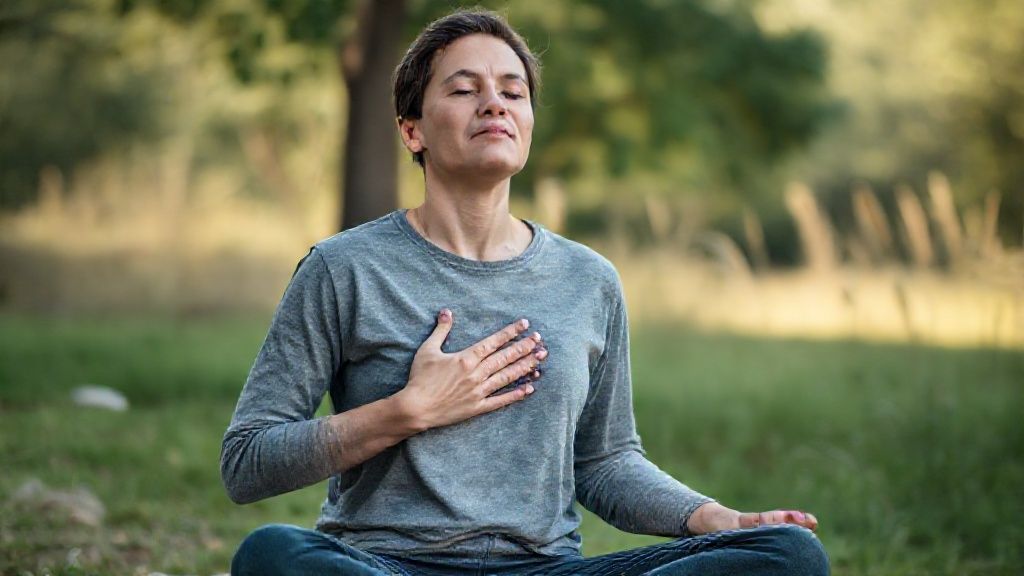
- Sit comfortably in a chair or lie on your back with your knees bent. Place one hand on your upper chest and the other on your belly, just below your rib cage.
- Breathe in slowly and deeply through your nose. As you inhale, focus on allowing your belly to expand and push your hand outward. The hand on your chest should remain as still as possible.
- Exhale slowly through your mouth (or nose, if preferred), feeling the hand on your belly fall inward. You can gently contract your abdominal muscles to help push all the air out.
- Continue for 5-10 cycles, focusing on the rise and fall of your belly.
For beginners, it can help to start with a simple one-minute breathing exercise to get started. If you want to learn more about the science of diaphragmatic breathing for anxiety, we have a dedicated resource for you.
2. The 4-7-8 Breathing Method (Relaxing Breath)
Developed by Dr. Andrew Weil, this technique is exceptionally effective for reducing anxiety and quieting a racing mind, especially before sleep.
Step-by-Step Instructions:
- Place the tip of your tongue against the ridge of tissue behind your upper front teeth and keep it there for the entire exercise.
- Exhale completely through your mouth, making a whoosh sound.
- Close your mouth and inhale quietly through your nose for a mental count of 4.
- Hold your breath for a count of 7.
- Exhale completely through your mouth, making a whoosh sound, for a count of 8.
- This completes one cycle. Repeat the cycle three to four times.
3. Box Breathing (Square Breathing)
This technique, used by Navy SEALs to stay calm under pressure, is excellent for managing panic and improving focus. Its equal parts make it easy to remember.
Step-by-Step Instructions:
- Sit upright and exhale all the air from your lungs.
- Inhale slowly and deeply through your nose for a count of 4.
- Hold your breath at the top of the inhalation for a count of 4.
- Exhale slowly and completely through your mouth for a count of 4.
- Hold your breath at the bottom of the exhalation for a count of 4.
- Repeat the pattern for 4-6 rounds or until you feel a sense of calm.

Integrating Breathing into a Mindful Meditation Practice
While discrete breathing exercises are powerful, integrating breath awareness into a formal meditation practice can build long-term resilience to anxiety. Meditation takes the principle of conscious breathing and expands it into a sustained practice of observing your present-moment experience without judgment.
When you meditate, the breath serves as an “anchor” to the present. Each time your mind wanders to an anxious thought about the future or a regret about the past, you gently guide your attention back to the physical sensation of your breath. This process strengthens your ability to disengage from anxious thought patterns. If you’re new to this, it’s helpful to understand what guided meditation is and how it works.
تأملات موجهة للقلق وتمارين التنفس
توفر التأملات الموجهة تعليمات لفظية وهيكل داعم، مما يجعلها مثالية للمبتدئين ومن يعانون من قلق شديد. فيما يلي بعض التوصيات بناءً على الوقت المتاح لديك.
للإغاثة الفورية (5-10 دقائق)
عندما يكون القلق ساحقًا، يمكن لجلسة قصيرة مركزة أن توفر راحة سريعة.
- جرب تأمل مدته خمس دقائق سريع للقلق لإعادة ضبط جهازك العصبي خلال يوم حافل.
- إذا كان لديك المزيد من الوقت،, هذا التأمل الموجه لمدة 10 دقائق للقلق يمكن أن يرشدك إلى حالة استرخاء أعمق.
للممارسة الأعمق (15-20 دقيقة)
بناء ممارسة أطول ومتسقة يمكن أن يعيد توصيل استجابة دماغك للتوتر بمرور الوقت، مما يجعلك أقل تفاعلاً مع محفزات القلق.
- لأولئك الأفكار المتكررة المستمرة، نوصي بـ جلسة مطولة لمدة 20 دقيقة للقلق والإفراط في التفكير.
للهدوء والنوم
لا ينطفئ القلق دائمًا عند وقت النوم. يمكن لاستخدام التأملات المركزة على التنفس في المساء أن يهدئ العقل ويجهز الجسم لنوم مريح.
- لتهدئة العقل المشغول بعد يوم طويل، استمع إلى تأمل موجه مهدئ لتهدئة عقلك.
- إذا كان القلق يبقيك مستيقظًا في الليل، أنهِ يومك بـ تأمل نوم موجه مجاني للقلق.

بناء مجموعة أدوات طويلة الأجل لإدارة القلق
التنفس أداة قوية للغاية، ولكنه أكثر فعالية كجزء من نهج شامل للصحة العقلية. فكر فيه على أنه المهارة الأساسية في مجموعة أدوات إدارة القلق لديك.
- وسع ممارستك للوعي الذهني: إلى جانب التنفس، هناك العديد من تمارين الوعي الذهني السريعة الأخرى التي يمكنك تجربتها للبقاء متجذرًا طوال اليوم.
- الاستفادة من التكنولوجيا: للحصول على دعم أثناء التنقل، استكشف أفضل تطبيقات التنفس العميق لتوجيه ممارستك مباشرة من هاتفك.
- تعمق فهمك: إذا كنت مستعدًا لتطوير ممارستك أكثر، يمكنك استكشاف تقنيات العلاج المتقدمة بالوعي الذهني التي يستخدمها المحترفون.
الأسئلة الشائعة: القلق والتنفس (مُحسّن للبحث الصوتي)
س: ما هو أفضل تمرين تنفس للقلق؟
ج: بينما تختلف التفضيلات الفردية، غالبًا ما يُعتبر التنفس الحجابي هو الأكثر أساسية وفعالية لتهدئة الجهاز العصبي على الفور خلال نوبة القلق.
س: لماذا يجعل القلق التنفس صعبًا؟
ج: ينشط القلق الجهاز العصبي الودي، مسببًا تنفسًا سريعًا وسطحيًا من الصدر. هذا يمكن أن يؤدي إلى فرط التنفس، مما يجعلك تشعر بأنك لا تحصل على ما يكفي من الهواء، على الرغم من أنك تتنفس أكثر من اللازم.
س: كيف يمكنني إيقاف تنفس القلق؟
ج: المفتاح هو التحول بوعي من التنفس الصدري إلى التنفس البطني البطيء العميق. يمكن لتقنيات مثل طريقة 4-7-8 أو تنفس الصندوق أن تساعدك على استعادة السيطرة وإرسال إشارة لجسمك للاسترخاء.
س: هل يمكن لتمارين التنفس أن تشفي القلق؟
ج: إنها أداة قوية للإدارة، وليست علاجًا. يمكنها أن تقلل الأعراض بشكل كبير وتزيد من إحساسك بالسيطرة. لنهج شامل، من الأفضل استخدامها جنبًا إلى جنب مع العلاج، وتغييرات نمط الحياة، واستراتيجيات التأقلم الأخرى. إذا كنت تفكر في الدعم المهني، يمكنك استكشاف أفضل العلاجات للقلق والاكتئاب.
الخاتمة + دعوة للعمل
العلاقة بين عقلك وتنفسك هي واحدة من أكثر الأدوات المتاحة والقوية التي تمتلكها لإدارة القلق. من خلال فهم هذه الصلة وممارسة التقنيات الموضحة هنا، لديك القدرة على التأثير مباشرة في جهازك العصبي وكسر دائرة القلق والتنفس المضطرب.
لا تقرأ عنها فقط — جربها. أغمض عينيك وجرب تقنية التنفس 4-7-8 الآن لثلاث دورات. لمزيد من الدعم الموجه في رحلتك نحو الهدوء،, اكتشف المزيد من ممارسات التأمل للقلق في دليلنا المخصص.