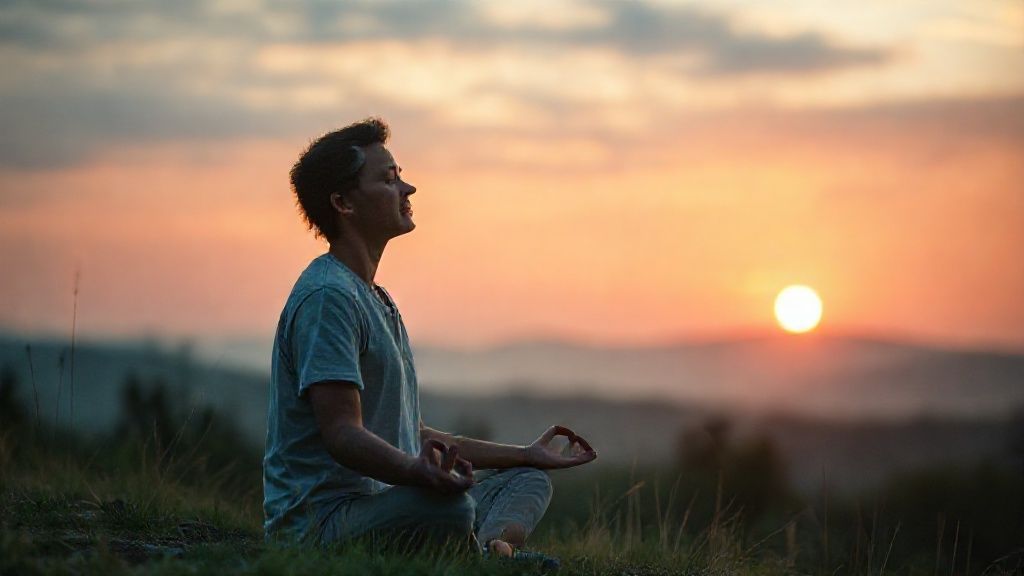
هدوء العقل: دليلك النهائي للسلام الداخلي الدائم
In our fast-paced, constantly connected world, the search for mental tranquility has become more urgent than ever. Between work deadlines, social obligations, and the endless stream of digital notifications, our minds are perpetually in motion. You might find yourself lying awake at night with racing thoughts, reacting impulsively to minor stressors, or feeling mentally exhausted despite physical rest. This state of chronic mental agitation isn’t just uncomfortable—it takes a real toll on our health, relationships, and quality of life.
But what if you could access a deeper sense of peace regardless of external circumstances? The good news is that “calm of mind” isn’t an elusive state reserved for monks on mountaintops or those with perfectly arranged lives. It’s an achievable, trainable skill that anyone can develop through specific, evidence-based practices. This comprehensive guide will walk you through exactly what a calm mind entails, why it matters, and—most importantly—how you can cultivate it through practical techniques you can start implementing today.

What Does “Calm of Mind” Truly Mean?
A calm mind is often misunderstood as simply the absence of stress or a temporary state of relaxation. In reality, it’s something far more profound and sustainable. A truly calm mind is characterized by mental clarity, emotional equilibrium, and the capacity to respond thoughtfully rather than react impulsively to life’s challenges. It’s not about eliminating all thoughts or emotions, but rather changing your relationship with them—observing them without being swept away.
When you cultivate a calm mind, you’re not withdrawing from life; you’re engaging with it more fully and effectively. Decisions become clearer, creativity flows more freely, and you’re better equipped to handle difficulties with grace. The benefits extend beyond mere feeling—research shows that regular practice of calm-inducing techniques can lower blood pressure, improve immune function, reduce inflammation, and even slow the aging process at a cellular level.
The Science Behind a Peaceful State
The physiological basis for a calm mind lies in our nervous system. When we perceive threat or stress, our sympathetic nervous system triggers the “fight-or-flight” response, flooding our body with cortisol and adrenaline. While this is useful in genuinely dangerous situations, many of us live in a state of chronic, low-grade activation that keeps us perpetually on edge.
Practices that cultivate calm work by activating the parasympathetic nervous system—our body’s natural “rest-and-digest” mode. This shift isn’t just psychological; it’s measurable through reduced heart rate, lowered blood pressure, and changes in brain wave patterns. Neuroimaging studies show that regular meditation and mindfulness practices can actually strengthen the prefrontal cortex (associated with executive function) while reducing activity in the amygdala (our fear center).
Calmness vs. Apathy: Why It’s About Engagement, Not Avoidance
One common misconception is that a calm person is passive or detached. Nothing could be further from the truth. True mental calmness isn’t indifference; it’s engaged presence. Where apathy represents a withdrawal from experience, calmness allows for full participation without being overwhelmed by it.
Think of it this way: A turbulent ocean makes it difficult to see what lies beneath the surface, while calm waters provide clarity and transparency. Similarly, a calm mind doesn’t ignore problems—it sees them more clearly and responds more effectively. You maintain your values, passions, and concerns, but you’re not controlled by turbulent emotions when facing challenges.
Foundational Practices for a Calmer You
Building a calm mind begins with establishing simple, accessible practices that you can incorporate into your daily life. These foundational techniques work directly with your body’s physiology to create immediate shifts in your mental state.
Breathing Your Way to Peace
Your breath is the most powerful and always-available tool for regulating your nervous system. The simple act of changing your breathing pattern sends immediate signals to your brain that it’s safe to relax. Diaphragmatic breathing—sometimes called “belly breathing”—is particularly effective because it fully engages the diaphragm, stimulating the vagus nerve and triggering the relaxation response.
To practice: Place one hand on your chest and the other on your belly. Take a slow breath in through your nose, allowing your belly to rise while keeping your chest relatively still. Exhale slowly through your mouth or nose. Aim for a longer exhalation than inhalation, as this specifically activates the parasympathetic nervous system.
For a quick and effective practice you can do anywhere, follow this تمرين التنفس لمدة دقيقة واحدة. If you have a bit more time, this 5-minute meditation is perfect for resetting your day.
The Power of a Mindful Minute
You don’t need hours of meditation to begin cultivating calm. Even a single minute of mindful awareness, practiced consistently throughout your day, can significantly shift your mental landscape. The “mindful minute” is about intentionally bringing your attention fully into the present moment, without judgment.
Try this: Set a reminder on your phone for several points during the day. When it chimes, pause whatever you’re doing and take 60 seconds to simply notice. Notice the sensations in your body, the sounds around you, the quality of your breath. No need to change anything—just observe.
Use this simple 1 minute grounding meditation script to anchor yourself during moments of stress.

Guided Meditations Tailored for Your Needs
While foundational practices are essential, sometimes we need more specific guidance, especially when dealing with particular challenges or looking to establish a consistent routine. Guided meditations provide that structure and support, making them an excellent tool for both beginners and experienced practitioners.
For Immediate Anxiety Relief
When anxiety strikes, it can feel overwhelming and all-consuming. The right guided meditation can provide an anchor point, helping you ride the wave of anxiety without being pulled under by it. These practices typically focus on grounding techniques, body awareness, and compassionate acceptance of your experience.
When anxiety strikes, this تأمل موجه لمدة 10 دقائق للقلق can help you find your center quickly. For deeper-seated worries, a longer session like this تأمل إرشادي لمدة 20 دقيقة للقلق والإفراط في التفكير can be transformative.
For Cultivating Daily Calm
Consistency is key when building a calm mind, and incorporating short meditation sessions into your daily routine can create a foundation of tranquility that supports you throughout your day. Morning meditations set a positive tone, while evening practices help you release the day’s accumulated stress.
Incorporate tranquility into your morning routine with this تأمل موجه لمدة 5 دقائق في الصباح session. End your day by releasing tension with a تأمل ما قبل النوم designed for deep rest.
For Deep Relaxation and Sleep
Quality sleep is both a cause and effect of a calm mind. When your mind is agitated, sleep suffers; when sleep is insufficient, mental calm becomes more difficult to maintain. Guided sleep meditations help break this cycle by guiding your nervous system into the deeply relaxed state conducive to restful sleep.
Drift off peacefully with this تأمل نوم موجه للشفاء the body and mind. Sometimes, music alone can guide you to rest. Try this موسيقى التأمل لمدة 10 دقائق to quiet your thoughts.
Beyond Meditation: Holistic Habits for Mental Calm
While formal meditation practices are powerful, a truly calm mind is supported by a holistic approach that includes how we move through our daily lives. These complementary practices help integrate the benefits of meditation into your everyday experience.
Mindfulness Exercises for Everyday Life
Mindfulness is the practice of paying attention to the present moment with openness and curiosity. Unlike formal meditation, mindfulness can be practiced anywhere, anytime—while washing dishes, walking to your car, or even during a difficult conversation.
Discover a variety of تمارين تأمل سريعة you can weave into a busy schedule. For a sensory-based grounding technique, practice the تمرين الوعي بالحواس الخمس exercise.
Cultivating Self-Compassion
Many of us have an inner critic that constantly judges our performance, appearance, and worth. This internal voice is a major source of mental agitation. Self-compassion—treating yourself with the same kindness you would offer a good friend—is a powerful antidote.
When you notice self-critical thoughts, try placing a hand on your heart and offering yourself words of comfort. Remember that imperfection is part of the shared human experience, not evidence of personal failure.
A critical part of inner peace is learning how to self compassion. This guide walks you through the process.

أدوات وموارد لدعم رحلتك
Establishing and maintaining a practice that cultivates calm of mind is easier with the right support. These resources can help you deepen your practice and navigate challenges along the way.
Finding the Right Guidance
With so many meditation approaches available, finding what resonates with you is key to developing a consistent practice. Some people prefer highly guided meditations with detailed instructions, while others thrive with minimal guidance and more silence.
If you’re new to this, start with the أفضل جلسات التأمل الموجه for beginners to build a solid foundation. For those who prefer to lead their own practice, learn the fundamentals of كيفية قيادة تأمل إرشادي.
تعميق ممارستك
مع تطور ممارستك، قد تجد نفسك راغباً في استكشاف تقنيات مختلفة أو فهم المبادئ الأساسية بعمق أكبر. يمكن أن يوفر التعلم المنظم كلًا من الإلهام والأدوات العملية لرفع ممارستك إلى المستوى التالي.
فكّر في استكشاف التعلم المنظم من خلال أفضل دورات التأمل عبر الإنترنت. لفهم المفاهيم الأساسية بشكل أفضل، ابدأ بهذا المقال حول ما هو التأمل الموجه.
الأسئلة الشائعة حول العقل الهادئ
ما هي أسرع طريقة لتهدئة عقلك؟
بينما تختلف التقنيات، يُعد التنفس المركز عادةً الأسرع. جرب هذا تمرين التنفس لمدة دقيقة واحدة للحصول على راحة فورية. تقنية 4-7-8 (الشهيق لمدة 4 عدّات، حبس النفس لمدة 7، الزفير لمدة 8) فعالة بشكل خاص لتنشيط الجهاز العصبي اللاودي بسرعة.
هل يمكن للتأمل أن يساعد في التخلص من الإفراط في التفكير؟
بالتأكيد. يدرب التأمل العقل على مراقبة الأفكار دون الانجرار خلفها. هذا تأمل إرشادي لمدة 20 دقيقة للقلق والإفراط في التفكير مصمم خصيصاً لهذا الغرض. تقوّي الممارسة المنتظمة قدرتك على ملاحظة أنماط التفكير دون تصديقها أو اتباعها تلقائياً.
كيف يمكنني استرخاء عقلي للنوم؟
تأمل مسح الجسم فعال للغاية. نوصي بهذا تأمل مسح الجسم للنوم لإرشادك إلى راحة عميقة. بالإضافة إلى ذلك، يمكن أن يحسّن إنشاء روتين نوم منتظم، وتقليل وقت الشاشة قبل النوم، وتهيئة بيئة نوم مريحة من جودة النوم بشكل كبير.
ما هي علامات الشخص الهادئ؟
عادةً ما يظهر الأفراد الهادئون مرونة عاطفية – فهم يشعرون بالمشاعر دون أن تطغى عليهم. كما يستجيبون بتأنٍ بدلاً من ردود الفعل الاندفاعية، ويحافظون على منظورهم خلال التحديات، ويمارسون التعاطف مع الذات. هدوئهم ليس غياباً للمشاعر، بل حضوراً مع ما هو موجود.
الخاتمة: رحلتك نحو السلام المستدام تبدأ الآن
تنمية هدوء العقل ليست حلاً سريعاً ولا هدفاً يمكن بلوغه. إنها ممارسة مستمرة – علاقة تبنيها مع نفسك من خلال جهد متسق وعطوف. قد لا تختفي اضطرابات الحياة الحديثة، لكن علاقتك بها يمكن أن تتحول بشكل عميق.
تذكّر أن التقدم في تنمية هدوء العقل ليس خطياً. في بعض الأيام سيشعر عقلك كبحيرة ساكنة؛ وفي أيام أخرى سيبدو كبحر عاصف. ما يهم ليس تحقيق الهدوء المثالي في كل لحظة، بل العودة مراراً وتكراراً إلى الممارسات التي تثبّتك. كل نفس واعٍ، كل دقيقة يقظة، كل لحظة تعاطف مع الذات هي غرزة في نسيج عقل أكثر سلاماً.
مستعد لتحويل مشهدك العقلي؟ اختر ممارسة واحدة من هذا الدليل – ربما جلسة اليقظة الذهنية لمدة 5 دقائق– والتزم بها اليوم. نفسك الأكثر هدوءاً وتركيزاً تنتظرك.