العثور على هدوئك: الدليل النهائي لأفضل التأملات الموجهة للقلق والاكتئاب - لايف

If you’re reading this, you’re likely searching for relief from the heavy weight of anxiety or the draining fog of depression. You’re not alone, and there’s genuine hope. Guided meditation has emerged as one of the most powerful, evidence-based tools available to help manage these challenging conditions. But with countless options, how do you find what truly works?
The “best” guided meditation isn’t a one-size-fits-all solution. It’s the one that feels accessible to you, is led by a voice that resonates, and employs specific techniques proven to soothe your nervous system and quiet negative thought patterns. This comprehensive guide will walk you through our top recommendations across different durations, styles, and specific needs, helping you find your perfect match on the path to peace.
Understanding the Power of Meditation for Mental Wellness
Before diving into specific recommendations, it’s helpful to understand why guided meditation is so effective for anxiety and depression. These aren’t just vague relaxation techniques; they are practices that directly influence your brain and body’s stress response systems.
How Guided Meditation Soothes Anxiety
Anxiety is often characterized by a hyperactive nervous system—your body’s fight-or-flight response is constantly triggered, even when there’s no immediate danger. Guided meditation acts as a direct intervention. Scientifically, it helps calm the amygdala (the brain’s fear center), reduces cortisol (the stress hormone), and activates the parasympathetic nervous system, which is responsible for rest and digestion.
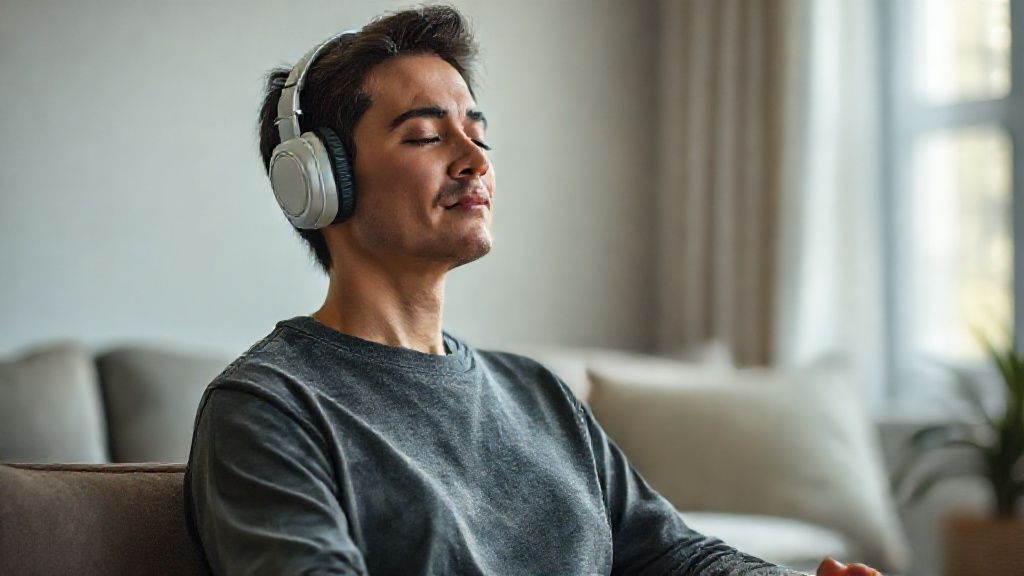
When you listen to a guide’s calming voice leading you through a meditation, you’re giving your overthinking mind a break. Instead of getting caught in spirals of “what if,” you’re gently guided to focus on your breath, body sensations, or a specific visualization. This shift in attention creates space from anxious thoughts and teaches your nervous system that it’s safe to relax. For a deeper look at the mechanics of calming the mind, explore our guide on calming guided meditation techniques.
How Guided Meditation Supports Depression Recovery
While anxiety is often about a future-oriented fear, depression can involve rumination on the past and feelings of worthlessness. Guided meditation supports depression recovery by helping to break these persistent negative thought cycles. Practices like mindfulness teach you to observe these thoughts without judgment, recognizing them as mental events rather than absolute truths.
Furthermore, specific meditations, such as Loving-Kindness (Metta), directly cultivate feelings of self-compassion and connection—antidotes to the isolation and self-criticism common in depression. By regularly practicing, you can begin to create new, more compassionate neural pathways. To explore a specific meditation style focused on emotional healing, learn about healing meditation practices.
What to Look For in a Top-Tier Guided Meditation
Not all guided meditations are created equal, especially when you’re dealing with anxiety and depression. Knowing what to look for can help you quickly identify sessions that will be most beneficial for you.
The Voice and Tone
The guide’s voice is arguably the most important element. It should be calm, reassuring, and non-judgmental. A voice that feels authentic and compassionate can make you feel supported and safe. If you find a voice grating, overly cheerful, or insincere, it’s perfectly okay to move on and find another guide. Your comfort is paramount.
Key Techniques for Anxiety and Depression
Look for meditations that incorporate these evidence-based techniques:
- Mindfulness of Breath: The foundation of most practices. Anchoring your attention to the breath provides a stable focus point when thoughts or feelings become overwhelming.
- Body Scan: This involves systematically bringing awareness to different parts of the body. It’s excellent for releasing physical tension held from anxiety and for reconnecting with your body if depression makes you feel numb or disconnected. To practice this core technique, you can use our body scan meditation script.
- Loving-Kindness (Metta): This practice involves directing well-wishes toward yourself and others. It directly counters the negative self-talk of depression and cultivates a sense of warmth and connection. For cultivating this kindness, try our نص تأمل اللطف المحب هذا.

Our Top Picks: The Best Guided Meditations for Anxiety & Depression
This is the core of your search—actionable recommendations tailored to different needs and time constraints. We’ve curated this list based on technique, guidance quality, and specific therapeutic benefits.
For Immediate Relief: Short & Powerful Sessions (5-10 Minutes)
When anxiety strikes or you’re feeling too low to focus for long, a short session can be a lifesaver. These are also perfect for building a consistent daily habit.
- The 5-Minute Reset: Ideal for a panic symptom or a stressful moment at work. These sessions typically focus on deep, calming breaths and a simple body check-in to ground you in the present moment. For a quick anxiety reset, try this تأمل مدته 5 دقائق للقلق.
- The 10-Minute Breathing Space: This duration allows for a slightly deeper dive. You can settle in, connect more fully with the breath, and observe the mind without getting swept away. To practice focused breathing, follow this نَص تأمل التنفس لمدة 10 دقائق.
For Deep Work: Longer, Immersive Sessions (15-20 Minutes)
When you have the time and mental space, longer sessions allow you to work more deeply with the underlying patterns of anxiety and depression.
- The 15-Minute Mindfulness Anchor: A solid session for developing sustained focus and awareness. It often combines breath work with mindfulness of sounds, thoughts, and emotions, teaching you to relate to your inner experience differently. For a general longer session, explore this تأملًا موجهًا لمدة 15 دقيقة.
- The 20-Minute Release: These are excellent for untangling persistent worry and overthinking. They may include longer body scans, guided visualizations for releasing tension, or specific inquiries into thought patterns. For a session specifically designed for this, use our تأمل الـ 20 دقيقة للقلق والتفكير المفرط.
For Sleep and Night-Time Calm
Anxiety and depression are notorious for disrupting sleep, and poor sleep, in turn, worsens symptoms. Using guided meditation before bed can break this cycle by calming the mind and preparing the body for rest.
- Sleep-Specific Visualizations: These meditations use calming stories or imagery (like walking through a forest or floating on a cloud) to gently lure the mind away from worries and into a state conducive to sleep. For a dedicated sleep session, listen to this التأمل الموجه للنوم والقلق.
- Body Scan for Sleep: A classic for a reason. Progressively relaxing each part of the body from head to toe is a powerful way to release the physical day’s tension and drift off naturally. For a body-focused sleep aid, try this تأمل مسح الجسم للنوم.

Building Your Sustainable Meditation Practice
Finding the perfect meditation is one thing; making it a consistent part of your life is another. Consistency is far more important than duration.
Starting Small: The Key to Consistency
The biggest mistake beginners make is being overly ambitious. Committing to 20 minutes a day can feel daunting and lead to quitting. It is far better to meditate for 5 minutes every day than for 30 minutes once a week. The daily repetition is what rewires your brain. Set a small, achievable goal and stick to it. For absolute beginners, start your journey with our guided meditation for beginners.
Integrating Mindfulness into Your Daily Life
Your practice doesn’t have to be confined to the cushion. You can bring mindful awareness to everyday activities to support your mental health throughout the day.
- The One-Minute Breath: Before starting a new task or when feeling overwhelmed, simply stop and take three to five conscious, deep breaths. This acts as a “reset” button for your nervous system. For a super-short practice, learn this one-minute breathing exercise.
- المشي الواعي: Feel the sensation of your feet touching the ground with each step.
- The STOP Practice: Periodically throughout the day: Stop what you’re doing. Take a breath. Oلاحظ أفكارك ومشاعرك وجسدك. Pتقدم بمزيد من الوعي. لتقنيات التأسيس، استخدم هذا نص تأمل تأريضي قصير.
الأدوات والموارد التكميلية
التأمل الموجه أداة قائمة بذاتها وفعالة، لكنه يمكن أن يكون أكثر فعالية عند دعمه بموارد أخرى.
تطبيقات التأمل المفيدة
توفر التطبيقات هيكلاً وتنوعاً وتتبعاً، مما يمكن أن يكون محفزاً بشكل لا يصدق. تستضيف مكتبات من التأملات لكل احتياج ممكن، غالباً يقودها معلمون من الطراز العالمي. لمقارنة أفضل التطبيقات المتاحة، راجع قائمتنا الخاصة بـ تطبيقات مثل هيدسبيس.
مزيد من التعلم والدعم
- العلاج باليقظة الذهنية: منهجيات مثل العلاج المعرفي القائم على اليقظة الذهنية (MBCT) مصممة خصيصاً لمنع انتكاسة الاكتئاب وهي فعالة للغاية للقلق. لأولئك الذين يفكرون في التوجيه المهني، تعرف على تقنيات العلاج باليقظة الذهنية.
- فهم الأساسيات: إذا كنت لا تزال فضولياً حول الأساسيات، يمكن لشرح واضح أن يعزز ممارستك. لفهم الأساس، اقرأ عن ما هو التأمل الموجه.
الأسئلة الشائعة (FAQ)
هل يمكن للتأمل الموجه أن يحل محل العلاج للقلق والاكتئاب؟
الإجابة: التأمل الموجه أداة تكميلية قوية وشكل من أشكال الرعاية الذاتية، لكنه ليس بديلاً عن التشخيص والعلاج المهني من معالج أو طبيب مؤهل، خاصة للقلق والاكتئاب السريري. نوصي بشدة باستخدامه إلى جانب العلاج، وليس كبديل.
كم من الوقت يستغرق عمل التأمل الموجه للقلق؟
الإجابة: يشعر الكثيرون بإحساس بالهدوء الفوري أثناء الجلسة أو مباشرة بعدها بسبب تفعيل استجابة الاسترخاء. ومع ذلك، لتغييرات دائمة في أنماط الدماغ وتحول أساسي في علاقتك مع القلق، هناك حاجة عادةً لممارسة يومية متواصلة لعدة أسابيع. فكر في الأمر كتدريب عضلة—فهي تزداد قوة مع التمرين المنتظم.
لا أستطيع الجلوس بثبات وعقلي يتسارع. هل التأمل لا يزال مناسباً لي؟
الإجابة: بالتأكيد. ربما تكون هذه التجربة الأكثر شيوعاً، خاصة عند البدء. الهدف من التأمل ليس إيقاف أفكارك أو تحقيق عقل فارغ تماماً. الممارسة تكمن في ملاحظة أن عقلك قد شرد والعودة بلطف، دون حكم، بتركيزك إلى المرساة (مثل التنفس أو صوت المرشد). في كل مرة تفعل هذا، فإنك تقوي “عضلة” اليقظة الذهنية لديك. البدء بجلسات أقصر يمكن أن يجعل هذه العملية أكثر قابلية للإدارة. لخيار قصير جداً، ابدأ بهذا تأمل إرشادي لمدة 3 دقائق.
ما أفضل وقت في اليوم للتأمل للاكتئاب؟
الإجابة: لا يوجد وقت “أفضل” واحد للجميع، ومن الجدير بالتجربة. يمكن أن تساعد جلسة الصباح في تحديد نغمة إيجابية وأرضية لليوم، مما يجعلك أكثر مرونة تجاه أنماط التفكير السلبية. يمكن أن تساعدك جلسة المساء على معالجة أحداث اليوم وتهدئة العقل لنوم أفضل. العامل الأهم هو اختيار وقت يمكنك الالتزام به باستمرار.
الخاتمة & دعوة للعمل
العثور على “أفضل” تأمل موجه للقلق والاكتئاب هو رحلة شخصية من الاستكشاف. ما يتردد صداه بعمق لدى شخص قد لا يتردد لدى آخر. التوصيات والموارد المقدمة هنا مصممة لتكون نقطة انطلاقك المثالية، مقدمةً مجموعة متنوعة من المسارات لنفس الوجهة: عقل أكثر هدوءاً وتوازناً.
تذكر، رحلة الألف ميل تبدأ بخطوة واحدة—أو في هذه الحالة، بنفس واحد. لا تحتاج إلى عقل هادئ لتبدأ؛ تحتاج فقط إلى البدء لتجد عقلاً أكثر هدوءاً.
مستعد لاكتشاف سلامك؟ استكشف مكتبتنا الواسعة من تأملات موجهة مجانية وابدأ رحلتك نحو نسخة أكثر هدوءاً ومرونة منك اليوم.