
تأملك الموجه لدقيقة واحدة: ابحث عن الهدوء في 60 ثانية فقط
That moment when your heart starts racing before a big presentation. The frustration of sitting in traffic when you’re already late. The overwhelm of a crowded inbox and endless notifications. What if you had a tool that could reset your nervous system, right there in the moment, without needing a quiet room, special cushion, or 30 minutes of free time?
Welcome to the power of the 1-minute guided meditation—a scientifically-backed technique that fits into the busiest of schedules. This isn’t about achieving enlightenment or emptying your mind completely. It’s about creating a portable pocket of peace that you can access anywhere, anytime. In just 60 seconds, you can interrupt the stress cycle and return to your day with greater clarity and calm.
A 1-minute guided meditation is a structured, brief practice that focuses your attention on your breath and bodily sensations, gently guiding you back to the present moment. Think of it as a system reset button for your mind and body.

Why a 1-Minute Meditation Is a Game-Changer
You might be skeptical. Can one minute really make a difference? The resounding answer from neuroscience and psychology is yes. In our fast-paced world, the accessibility of micro-meditations makes them more powerful than the elusive “perfect” 30-minute session that never happens.
The Science of Micro-Meditations
Research shows that even brief meditation practices can have significant impacts on your brain and body. A study published in the journal Psychoneuroendocrinology found that short mindfulness interventions can rapidly reduce cortisol levels, your primary stress hormone. Here’s what happens in just 60 seconds:
- Stress Interruption: You break the automatic pilot of anxiety and worry by consciously shifting your attention.
- Nervous System Regulation: Focusing on your breath activates the parasympathetic nervous system, triggering your body’s natural relaxation response.
- Cognitive Reset: You create space between stimulus and reaction, allowing for more thoughtful responses rather than emotional reactions.
- Present-Moment Awareness: You disengage from future worries or past regrets by anchoring yourself in the now.
The cumulative effect of these minute-long pauses throughout your day can be transformative, rewiring your brain’s stress response patterns over time.
Building a Sustainable Habit
The biggest hurdle to meditation isn’t ability—it’s consistency. When people think they need to meditate for 20-30 minutes daily, they often don’t start at all. The one-minute approach eliminates this barrier:
- Eliminates Intimidation: Anyone can find 60 seconds, making the practice feel accessible rather than daunting.
- Creates Quick Wins: Successfully completing a short meditation builds confidence and positive reinforcement.
- Fosters Consistency: When something takes just a minute, you’re more likely to do it multiple times daily, creating a habit loop.
- Adapts to Real Life: It fits between meetings, during commute transitions, while waiting in line—integrating mindfulness into existing life patterns rather than requiring separate “meditation time.”
Your Step-by-Step 1 Minute Guided Meditation Script
Ready to practice? Here is a simple yet powerful script you can use anywhere. You can read through it once to familiarize yourself, then guide yourself through it from memory, or even record it in your own voice to play back.
Total Time: 60 seconds
Step 1: Find Your Posture (10 seconds)
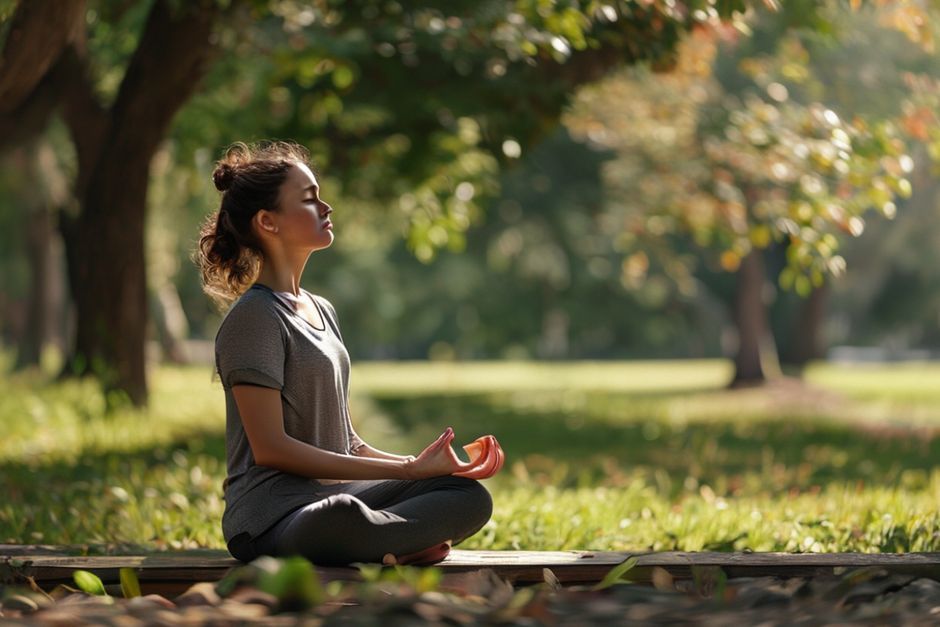
Sit or stand comfortably. If sitting, place both feet flat on the floor. If standing, distribute your weight evenly between both feet. Rest your hands gently in your lap or at your sides. Allow your spine to be straight but not rigid. Gently close your eyes or soften your gaze.
Step 2: Tune Into Your Breath (30 seconds)
Bring your attention to your natural breath. Don’t try to change it or force it in any way. Simply notice the sensation of air entering and leaving your body. Feel the coolness as you inhale, the warmth as you exhale. Notice where you feel the breath most distinctly—perhaps at your nostrils, or in the rise and fall of your chest or abdomen. Continue for 3-5 complete breath cycles.
Step 3: Gently Return (20 seconds)
Expand your awareness to include your entire body. Notice any sounds around you without judgment. Acknowledge any thoughts or feelings that arise, then gently guide your attention back to the physical sensation of your body in the chair or on your feet. Take one more conscious breath. When you’re ready, slowly open your eyes if they were closed.
Remember: The goal isn’t to stop thoughts, but to notice them and gently return to your anchor—the breath. Each return is a repetition that strengthens your mindfulness muscle.
For those ready to extend their practice, we offer a download a free 5-minute meditation script PDF at https://mindfulnesspractices.life/5-minute-guided-meditation-script-pdf.
When to Use Your 1-Minute Meditation
The beauty of this practice is its versatility. Here are some ideal moments to deploy your 1-minute meditation throughout the day:
- Before Stressful Encounters: Use it right before a difficult conversation, important presentation, or stressful phone call to center yourself and respond more thoughtfully.
- During Work Transitions: Between meetings or tasks, take a minute to reset rather than rushing from one activity to the next. This prevents cumulative stress buildup.
- When Overwhelmed by Anxiety: At the first signs of anxiety or frustration, this practice can prevent emotional escalation. For more targeted support, explore our guided meditation for anxiety at https://mindfulnesspractices.life/guided-meditation-for-anxiety.
- Combatting Afternoon Slumps: Instead of reaching for another coffee, try a 1-minute meditation to naturally rejuvenate your focus and energy.
- Pre-Bedtime Ritual: Quiet a racing mind before sleep. If sleep is your primary concern, try our dedicated bedtime meditation for deeper sleep at https://mindfulnesspractices.life/sleep-meditation.
- Morning Activation: Start your day with intention rather than immediately checking your phone.
- Commute Transitions: Use it after arriving at work or home to create psychological separation between different roles and environments.
Beyond 1 Minute: Deepening Your Practice
Once you’ve established consistency with 1-minute sessions, you might feel ready to explore longer or different types of meditation. This natural progression is how sustainable mindfulness practices develop.
Graduating to a 5-Minute Meditation
Extending your practice to five minutes allows for deeper relaxation and more thorough nervous system regulation. The additional time gives your mind more space to settle and your body more opportunity to release accumulated tension. If you’re ready to take this step, follow our 5-minute guided meditation here at https://mindfulnesspractices.life/5-minute-meditation.
Exploring Different Meditation Styles
As your practice evolves, you might discover certain meditation techniques resonate more with your needs and personality. Here are several popular styles to explore:
- Body Scan: This practice involves systematically moving your attention through different parts of your body, releasing tension and increasing bodily awareness. To learn the body scan technique with our free PDF, visit https://mindfulnesspractices.life/5-minute-body-scan-script-pdf.
- Loving-Kindness (Metta): This heart-centered practice involves directing well-wishes toward yourself and others, cultivating compassion and emotional resilience. Practice compassion with this loving-kindness script at https://mindfulnesspractices.life/metta-meditation-script.
- Grounding Meditation: Particularly helpful during anxiety or dissociation, grounding practices connect you firmly to the present moment through your senses. Use this 2-minute grounding script for instant calm at https://mindfulnesspractices.life/2-minute-grounding-meditation-script.

Tools to Support Your Journey
While you can meditate anywhere with no equipment, certain tools can enhance your practice, especially as you begin.
Top Meditation Apps for Beginners
Meditation apps provide structure, variety, and guidance that can be particularly helpful when starting out. They offer timed sessions, progress tracking, and diverse meditation styles to explore. To discover the best guided meditation apps for beginners, check out our comprehensive guide at https://mindfulnesspractices.life/best-guided-meditation.
Using Meditation Music
Ambient sounds or meditation music can help mask distracting noises and create a calming atmosphere. The right audio backdrop can deepen your focus and make it easier to settle into your practice. To background your practice with 10-minute meditation music, visit https://mindfulnesspractices.life/10-minute-meditation-music.
الأسئلة الشائعة (FAQ)
س: هل يمكن لتأمل دقيقة واحدة أن يكون فعالًا حقًا؟
ج: Absolutely. While longer sessions have their benefits, the key to meditation is consistent practice. A 1-minute meditation effectively interrupts the stress response, activates your parasympathetic nervous system, and brings your focus to the present moment. The cumulative effect of multiple brief sessions throughout the day can be more powerful than one longer session that you struggle to fit in.
Q: I can’t stop my thoughts during meditation. Am I doing it wrong?
ج: Not at all! This is one of the most common misconceptions about meditation. The goal isn’t to stop thoughts but to change your relationship with them. When you notice your mind has wandered and gently bring it back to your anchor (like the breath), you’re actually strengthening your mindfulness muscle. This act of noticing and returning is the practice itself. To اطلع على المزيد حول ما هو التأمل الموجه, visit https://mindfulnesspractices.life/what-is-guided-meditation.
Q: What’s the difference between mindfulness and meditation?
ج: Mindfulness is the quality of being present and aware in the current moment without judgment. Meditation is the formal practice of cultivating that quality. Think of it this way: mindfulness is the goal, and meditation is the training. This 1-minute session is a form of mindfulness meditation—you’re practicing the skill of being present.
Q: How can I lead a short meditation for my team or students?
ج: The script provided in this article is an excellent starting point for leading others! Speak slowly and calmly, allowing for pauses between instructions. For more detailed guidance on voice tone, pacing, and creating a safe container for group practice, check out our guide on how to lead a guided meditation at https://mindfulnesspractices.life/how-to-lead-a-guided-meditation.
الخاتمة & دعوة للعمل
Finding moments of peace isn’t a luxury—it’s a necessity for navigating modern life with resilience and clarity. Your 1-minute guided meditation is a tool that’s always available, requiring no special equipment or environment. It proves that you don’t need hours of free time to care for your mental wellbeing; you just need intentional moments throughout your day.
Ready to build a lasting habit? Bookmark this page and try this 1-minute meditation the next time you feel stress rising. Set a reminder on your phone to practice once daily for a week, then notice how naturally you begin reaching for this tool whenever you need it. When you’re ready to go deeper, explore our library of تأمل موجه لتهدئة العقل at https://mindfulnesspractices.life/guided-meditation-for-calm-mind to continue your journey toward lasting peace.